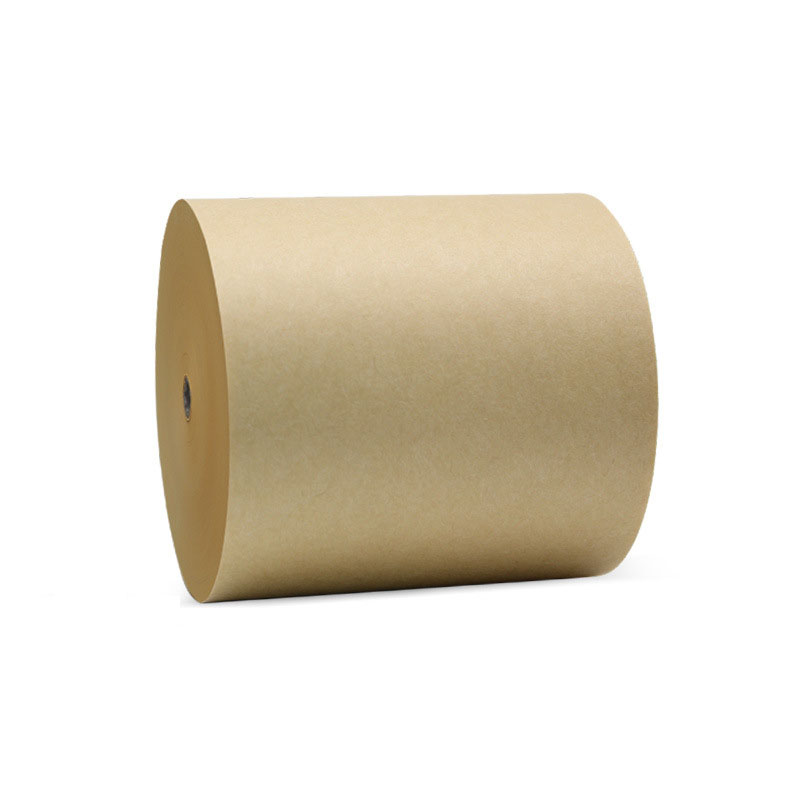
Packaging materials need to provide the right balance of structure, handling performance, and functional protection. In paper-based packaging, these properties are influenced by the paper substrate as well as any coating applied to it. High bulk PE coated paper is a material option considered when a packaging design requires a paper structure with greater volume or thickness characteristics alongside a polyethylene barrier layer.
For manufacturers reviewing High Bulk Pe Coated Paper, understanding the meaning of bulk is important. High bulk does not simply mean that a paper is heavier. It generally refers to a greater thickness relative to its grammage, although the exact characteristics depend on the paper grade and production method.
What Does High Bulk Mean?
Bulk is commonly understood as the relationship between a paper’s thickness and its grammage. A higher-bulk paper can have more thickness for a given weight compared with a lower-bulk grade.
This property can influence how a packaging material feels and behaves. Greater thickness may contribute to a more substantial structure, but it does not automatically guarantee higher strength or better performance in every application.
Paper strength, stiffness, folding behavior, and resistance to damage depend on several factors, including fibre composition, manufacturing quality, moisture conditions, and the intended package design.
Understanding the PE Coating
The PE component is a polyethylene layer applied to the paper substrate. In packaging applications, this coating can help reduce moisture penetration and provide a functional surface for selected converting operations.
The coating may be applied to one side or both sides depending on the product specification. Its weight and uniformity should be matched to the package’s requirements.
High-bulk paper and PE coating serve different purposes within the construction. The paper contributes much of the structure, while the coating provides barrier-related properties. The finished material must be evaluated as a complete system.
How High Bulk Can Influence Packaging Structure
Greater thickness at a specified weight
A high-bulk grade may provide a thicker paper structure without necessarily increasing grammage by the same proportion. This can be useful when packaging designers want to examine material options based on thickness and handling characteristics.
The actual result depends on the grade. Buyers should compare both grammage and measured thickness rather than assuming that the term high bulk describes a standardized performance level.
A more substantial feel
In some packaging formats, thickness contributes to how the material feels during handling. This may be relevant to cups, cartons, and other products where the user interacts directly with the package.
However, perceived quality is subjective. Sample testing and evaluation of the complete package are more useful than relying on a material label alone.
Potential structural benefits
The relationship between bulk, stiffness, and strength can be useful in package design. A suitable paper grade may help the package maintain its intended form during handling and converting.
These benefits should be verified through testing. Greater bulk does not guarantee resistance to crushing, tearing, or deformation under all conditions.
Applications in Packaging
Disposable cups: High-bulk PE-coated paper may be considered for cup stock where thickness and structural characteristics are part of the design requirements. The grade must also work with blank cutting, forming, and sealing operations.
Food packaging components: Certain packaging formats may use coated paper where both a defined paper structure and moisture resistance are required. The specific food-contact conditions must be considered.
Specialty paper packaging: Printed or converted paper-based packaging may benefit from a material selected for its thickness and surface properties. Compatibility with the printing and finishing process should be checked.
Selected takeaway applications: Packaging components used in food service may require a particular combination of handling characteristics and barrier performance. A trial using the finished design is the best way to assess suitability.
Important Factors When Selecting a Grade
Buyers should request a technical specification that includes:
- Paper grammage
- Measured thickness
- Bulk characteristics where available
- PE coating weight
- One-sided or two-sided coating arrangement
- Roll width and diameter
- Surface quality and converting suitability
These details help buyers compare materials on a consistent basis. If the packaging will be printed, the surface and ink compatibility should also be reviewed.
Testing Durability and Converting Performance
Material testing should reflect the intended application. For cup manufacturing, test the paper on the actual equipment and examine blank cutting, side-seam formation, bottom sealing, and finished-cup shape.
For cartons or other packaging, assess folding, creasing, gluing, and the ability to maintain the required structure. If moisture exposure is expected, conduct appropriate tests using the intended conditions.
Storage should also be controlled. Paper properties can change when material is exposed to excessive humidity or poor handling conditions. Protect rolls from moisture and physical damage and follow supplier recommendations.
Food-Contact and Environmental Requirements
If the finished packaging will contact food, request documentation covering the complete material construction and intended conditions of use. Do not assume that a high-bulk specification or PE coating alone establishes food-contact compliance.
Environmental claims should be based on the actual product and its disposal route. PE-coated paper may require suitable processing facilities for recycling, and availability varies by location.
Choosing Performance Rather Than a Label
High bulk PE-coated paper can be useful when a packaging design requires particular thickness and structural characteristics alongside a polyethylene barrier. Its performance depends on the exact grade, coating, converting process, and finished application.
Manufacturers should compare measurable properties, test complete packages, and confirm regulatory requirements before selecting a regular supply. A material that meets verified production needs is more valuable than one chosen simply because its product name sounds stronger or more advanced.