
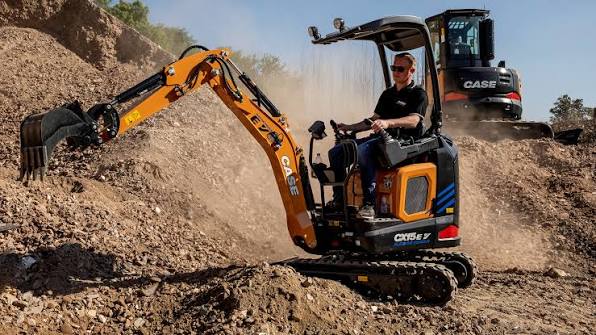
Purchasing construction equipment involves more than comparing prices or choosing the smallest available machine. Contractors need to understand how equipment specifications translate into practical performance, particularly when machinery will be used across several projects with different requirements. A carefully selected excavator can become a valuable part of a business’s daily operations, while a poorly matched model may create limitations that affect scheduling and productivity.
When evaluating an electric mini excavator, buyers should examine its physical dimensions, digging capabilities, battery system, operating controls, safety provisions, and service requirements. These features collectively determine whether the machine can perform the intended tasks and fit into the company’s working environment.
1. Machine Dimensions and Working Configuration
The excavator’s size is one of the first specifications to review. Overall width, height, length, operating weight, and tail swing characteristics influence where the machine can travel and how it can be positioned.
Contractors working in residential areas, narrow access routes, landscaped properties, or indoor environments should measure the intended working space before making a decision. A machine that fits through an entrance may still have difficulty turning, positioning its boom, or working safely after entering.
The operating configuration also matters. Some machines may offer different boom, arm, track, or canopy arrangements. Buyers should determine which configuration best matches their routine applications instead of focusing exclusively on transport dimensions.
2. Digging Depth, Reach, and Working Range
Excavation requirements vary from shallow landscaping work to deeper trenches and foundation preparation. Maximum digging depth is therefore an important specification, but it should not be considered in isolation.
The machine’s working reach, dumping height, digging force, bucket capacity, and ability to position the attachment all contribute to its usefulness. Contractors should compare these figures with the dimensions of their planned excavations.
A model that offers sufficient depth but limited reach may require frequent repositioning. Similarly, digging force and bucket suitability can affect performance in different soil conditions. Buyers should review the manufacturer’s technical documentation and consider the types of ground encountered in their area.
3. Battery Capacity and Charging Arrangements
The battery system is central to the performance of electric equipment. Battery capacity provides information about available energy, but actual operating duration depends on workload, terrain, digging intensity, hydraulic use, temperature, and operating habits.
Contractors should ask how the battery is charged, what electrical supply is required, how long charging normally takes, and whether the machine supports charging arrangements compatible with the business. The availability of charging facilities at the workshop, depot, or project location can influence operational flexibility.
It is also important to understand battery protection systems, charging instructions, temperature limitations, and the manufacturer’s recommendations for long-term battery care. These details can help businesses plan equipment use and avoid unnecessary interruptions.
4. Hydraulic Performance and Attachment Compatibility
Attachments can increase the usefulness of compact excavators by allowing them to undertake different types of work. Depending on machine design and compatibility, contractors may use buckets with different widths, grading attachments, breakers, or other tools.
However, attachment selection must be based on the excavator’s hydraulic flow, pressure, connection type, weight limits, and mounting arrangement. A tool that is unsuitable for the machine can affect performance or create safety concerns.
Before purchasing, buyers should identify the attachments they expect to use and confirm compatibility with the supplier. If the equipment will serve several applications, attachment flexibility may be an important consideration.
5. Operator Comfort and Control Design
Operator comfort can influence the quality and consistency of work during longer operating periods. Buyers should examine the seat, control layout, visibility, legroom, display information, and ease of access to frequently used functions.
A straightforward control arrangement may reduce the learning curve for operators who are unfamiliar with a particular machine. Good visibility of the bucket, surrounding ground, and working area can also support more precise positioning.
Where possible, businesses should arrange a demonstration or allow experienced operators to assess the machine before purchasing. Practical feedback may reveal details that are difficult to judge from specifications alone.
6. Safety Features and Stability
Safety should remain a priority when comparing excavators. Buyers should review protective structures, emergency stopping provisions, warning systems, visibility aids, seat or operator controls, and other safety equipment provided by the manufacturer.
Operating weight, track design, center of gravity, and ground conditions affect stability. Contractors should ensure that the equipment is suitable for the surfaces and slopes expected on their projects. Safe operating procedures, training, inspections, and appropriate exclusion zones remain necessary regardless of the machine’s features.
7. Maintenance and Support Availability
Electric machinery may have different maintenance requirements from diesel-powered equipment, but it still contains components that need regular inspection. Tracks, hydraulic hoses, pins, bushings, electrical connections, cooling systems, and attachments should be maintained according to the manufacturer’s guidance.
Buyers should investigate warranty terms, replacement parts availability, technical support, service locations, and expected maintenance intervals. Reliable support can be especially important for businesses that depend on equipment availability to meet project deadlines.
Conclusion
Choosing an electric mini excavator requires a comprehensive review of its specifications and practical features. Dimensions, digging range, battery capacity, hydraulic compatibility, operator comfort, safety provisions, and service support all contribute to the machine’s suitability. By comparing these factors against real working conditions and long-term business needs, contractors can make a more informed equipment decision and select a model capable of supporting their planned applications.

