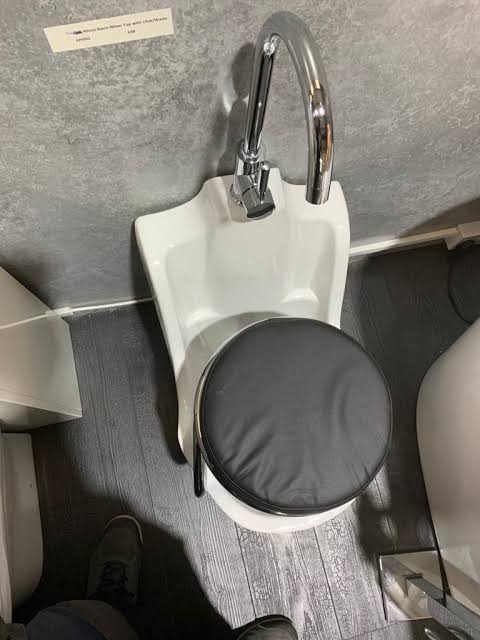
Community facilities are used by people with different needs and routines. A neighborhood mosque, Islamic association, community hall, or multipurpose center may welcome regular worshippers as well as visitors attending classes, meetings, and special events. Its ablution area should therefore be capable of serving a varied population without becoming difficult to manage. Product selection should reflect the way the building is actually used.
When reviewing suitable fixtures, an ablution wash basin should be considered in relation to visitor numbers, room dimensions, user comfort, and maintenance resources. The right choice for a small community building may differ from the solution required by a busy center with several daily programs. A practical assessment helps the facility committee establish an appropriate specification before spending its budget.
Estimate the Facility’s Real Demand
Begin with an understanding of the building’s regular activities.
A small prayer room may have a relatively steady number of users, while a community center can experience sharp increases during Friday prayers, educational sessions, or seasonal events.
Consider the busiest periods when estimating the number of washing positions. Average attendance alone may not reveal where congestion is likely to occur.
It is also useful to identify whether children, older people, and visitors with mobility limitations regularly use the facility.
Choose a Suitable Configuration
Individual basins may be adequate for smaller facilities or rooms with restricted plumbing options. They can also make phased replacement easier if one fixture becomes damaged.
Larger centers may need coordinated multi-position arrangements. These can accommodate several users, but only when there is sufficient separation and circulation space.
For buildings with unusual room shapes, a customized solution may be considered. Confirm the manufacturer’s available dimensions and technical capabilities before committing to the design.
Prioritize Comfort for Different Users
The basin should provide adequate space for the washing activities expected in the facility.
Check its height, depth, and faucet position. If foot washing is required, ensure that users can position themselves comfortably without obstructing others.
A stable seat can help older worshippers and people who prefer seated washing. The layout should also provide clear routes for people using mobility aids.
These provisions make the facility more inclusive and should be considered at the planning stage.
Compare Materials and Maintenance Needs
Community buildings may have limited budgets and small maintenance teams. The selected material should therefore be practical to clean and supported by clear care instructions.
Ceramic, stainless steel, and solid-surface products may be suitable for different projects, depending on their specifications. Request information about surface characteristics, cleaning compatibility, and repair procedures.
A sample can help committee members compare appearance with the building’s existing tiles and finishes.
Make the Room Easy to Navigate
A clear arrangement helps users understand where to go. Keep the entrance and exit routes unobstructed, and position hooks or shelves where they do not interfere with washing.
If the ablution room is close to the prayer hall, provide a transition area for drying feet. This can help protect carpets and keep the boundary between wet and dry areas orderly.
Good lighting and clear signs can also assist visitors who are unfamiliar with the building.
Plan for Water and Floor Safety
The drainage system should reflect the expected number of users and operating faucets. Floor gradients must guide water toward outlets, and waterproofing should protect the surrounding structure.
Choose flooring suitable for wet conditions and maintain it according to the manufacturer’s guidance. Ventilation can help manage humidity in enclosed rooms.
Consider the Facility’s Resources
Before ordering, compare the complete cost, including delivery, installation, plumbing changes, and future maintenance. Confirm warranty conditions and the availability of replacement components.
The final specification should be reviewed by the contractor or plumbing professional responsible for installation.
A Practical Investment for Shared Use
Selecting a basin for a community facility means balancing capacity, comfort, cost, and ease of care. By understanding the building’s daily routines and choosing a configuration that fits its users, managers can provide a washing area that serves the community reliably and remains manageable over time.