
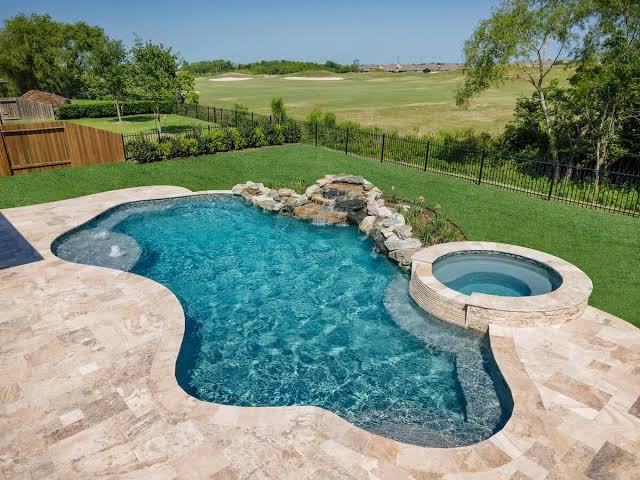
A swimming pool can provide years of recreation, exercise, and relaxation when it receives consistent care. However, maintaining clean water and reliable equipment requires more than occasional skimming or adding chemicals. Regular inspections, balanced water chemistry, proper filtration, and timely repairs all contribute to a pool’s performance and longevity.
A Custom Swimming Pool may include specialized features, finishes, circulation systems, or heating equipment that influence its maintenance needs. Understanding these requirements helps homeowners develop a practical care routine, prevent avoidable damage, and keep the pool comfortable and ready for use throughout the swimming season.
1. Establish a Consistent Cleaning Schedule
Regular cleaning is one of the simplest ways to protect a swimming pool. Leaves, insects, dust, sunscreen, and other debris can accumulate on the surface and settle on the floor if they are not removed promptly.
Use a pool skimmer to collect floating debris and a suitable brush to clean walls, steps, corners, and other areas where buildup may occur. Vacuum the pool when dirt or sediment collects on the bottom. The appropriate cleaning frequency depends on usage, weather, surrounding vegetation, and the effectiveness of the filtration system.
Pools located near trees may need more frequent skimming, particularly during periods of heavy leaf fall. After storms or periods of high use, inspect the water and remove debris before it has time to accumulate.
A regular schedule helps prevent staining, supports circulation, and makes cleaning less time-consuming than waiting until the pool becomes visibly dirty.
2. Test and Balance the Water Chemistry
Water chemistry plays a central role in pool maintenance. Water that is not properly balanced can cause discomfort for swimmers, reduce sanitizer effectiveness, and damage pool surfaces or equipment.
Test the water regularly using a reliable test kit or test strips suitable for the pool’s treatment system. Follow the product instructions and any recommendations provided by the pool equipment manufacturer.
Important water parameters include:
- pH: Influences swimmer comfort, sanitizer performance, and the risk of corrosion or scaling.
- Sanitizer level: Helps control microorganisms and maintain hygienic water.
- Total alkalinity: Helps stabilize pH and reduce sudden fluctuations.
- Calcium hardness: Helps manage the risk of scaling or damage to certain surfaces.
- Other system-specific measurements: Salt levels or additional parameters may be relevant for particular sanitizing systems.
The correct ranges depend on the pool type, sanitizer, surface material, and equipment. Follow the applicable product guidance and local recommendations rather than relying on a single universal target.
Adjust chemicals carefully, retest when necessary, and never mix pool chemicals together. Always follow label instructions for handling, storage, and application.
3. Keep the Filtration System in Good Condition
The filtration system removes suspended particles and helps maintain clear water. If the filter is dirty, damaged, or incorrectly operated, the pool may become cloudy and require more frequent chemical adjustments.
Different pools use cartridge, sand, or other filtration systems, each with specific cleaning and servicing procedures. Cartridge filters generally require removal and cleaning according to the manufacturer’s instructions. Sand filters may require backwashing when indicated, while other systems have their own maintenance requirements.
Check the filter pressure gauge, where fitted, and compare readings with the system’s normal operating range. A noticeable increase may indicate restricted flow or a filter that needs attention.
Avoid cleaning or replacing filter media unnecessarily. Follow the manufacturer’s recommendations, and ensure that valves and pumps are operated safely during servicing.
A well-maintained filter supports water quality and can reduce the strain placed on other circulation components.
4. Inspect the Pool Pump and Circulation System
The pump moves water through the filtration and treatment system. Poor circulation can contribute to uneven water quality, debris accumulation, and inefficient operation.
Check the pump for unusual noise, visible leaks, excessive vibration, and changes in performance. Inspect accessible baskets and remove collected debris according to the equipment instructions. A blocked basket can restrict flow and place additional strain on the system.
Also examine return fittings, valves, and visible plumbing for signs of leaks or damage. If the pump repeatedly loses prime, overheats, or makes unusual mechanical sounds, arrange a professional inspection.
Never open pump housings or service electrical components while the equipment is energized. Follow the manufacturer’s shutdown procedures and use a qualified technician for repairs that involve electrical work or complex mechanical components.
Routine inspections can help identify small problems before they develop into expensive equipment failures.
5. Maintain the Pool Surface and Finish
Pool surfaces require care appropriate to their material. Plaster, aggregate, tile, fiberglass, and other finishes can respond differently to cleaning methods, chemical imbalance, and everyday wear.
Use brushes and cleaning products approved for the specific surface. Abrasive tools may scratch or wear some finishes, while unsuitable chemicals can cause discoloration or damage.
Inspect the pool periodically for stains, rough patches, loose tiles, deteriorating grout, cracks, or changes in the surface texture. Some discoloration may result from water chemistry or mineral deposits, while other signs may indicate a more significant issue.
Do not attempt to repair structural cracks or extensive surface damage without professional guidance. The correct repair method depends on the pool’s construction, the location of the damage, and whether the problem affects the underlying structure.
Maintaining balanced water chemistry and using appropriate cleaning methods can help preserve the appearance and service life of the pool finish.
6. Monitor Water Levels and Look for Leaks
Water levels naturally change because of evaporation, splashing, backwashing, and routine maintenance. However, an unexplained or persistent drop may indicate a leak.
Keep the water level within the range recommended for the pool’s skimmer and circulation system. If the level becomes too low, the pump may draw in air or operate inefficiently. Excessively high water levels can also affect skimming performance.
Observe changes over time, taking weather and pool use into account. If water loss appears unusual, check visible plumbing, fittings, the pool shell, and nearby ground for signs of moisture.
Evaporation can be difficult to distinguish from a leak, particularly in hot or windy conditions. A pool professional can carry out suitable leak-detection tests when the cause is unclear.
Address suspected leaks promptly. Water escaping from a pool may damage nearby structures, waste resources, and contribute to further deterioration.
7. Clean Pool Steps, Corners, and Waterline Areas
Certain areas collect residue more readily than others. Steps, benches, corners, and the waterline can accumulate sunscreen, body oils, mineral deposits, and other contaminants.
Use a compatible brush or cleaning product to remove buildup before it becomes difficult to manage. Waterline cleaners should be specifically suitable for the pool’s finish and should not introduce unwanted substances into the water.
Tile grout and joints deserve particular attention because dirt can collect in small gaps. Check for loose tiles or deteriorating grout and arrange repairs when needed.
If a stain does not respond to routine cleaning, identify the likely cause before using stronger treatments. Different stains may require different approaches, and inappropriate products can make the problem worse.
Regular attention to these areas helps maintain a clean appearance and reduces the need for intensive restoration.
8. Protect the Pool From Seasonal Weather
Weather conditions influence cleaning needs, water chemistry, and equipment performance. Hot weather may increase evaporation, while rain can dilute pool water and introduce debris. Strong winds can carry leaves, dust, and other contaminants into the pool.
During warm periods, monitor water levels and chemistry more frequently when conditions or usage make fluctuations likely. After heavy rain, remove debris, inspect the water, and test the chemistry before swimming.
In colder regions, the pool may require seasonal shutdown or winterization. This can involve adjusting water chemistry, protecting pipes, preparing equipment, and using a suitable cover according to the pool system and local climate.
Do not assume that every pool should be drained or winterized in the same way. Some pool structures can be damaged by improper draining or groundwater pressure. Follow the manufacturer’s instructions and seek professional advice when seasonal procedures are unfamiliar.
9. Use a Pool Cover When Appropriate
A suitable pool cover can reduce evaporation, help keep debris out, and, depending on its design, reduce heat loss. It may also lower the amount of routine cleaning required.
Different covers serve different purposes. Solar covers can help retain heat and reduce evaporation, while safety covers are designed for specific protective functions. These products are not interchangeable, and a standard pool cover should never be assumed to provide fall protection.
Choose a cover that fits the pool’s shape and is compatible with its features. Follow installation and storage instructions carefully, and inspect the cover for wear or damage.
Remove covers completely before swimming unless the product is specifically designed for use under those conditions. Keep children and pets away from improperly secured covers, as some can create entrapment or drowning hazards.
When selected and used correctly, a cover can support maintenance while helping manage water and energy consumption.
10. Maintain Heating and Additional Pool Features
Some custom pools include heaters, automated controls, water features, lighting, or specialized circulation systems. These additions may improve comfort and convenience, but they also create additional maintenance responsibilities.
For pool heaters, follow the recommended inspection and servicing schedule. Check for visible leaks, unusual operating behavior, or error messages, and arrange professional servicing when necessary.
Waterfalls and fountains may require separate pump checks, cleaning, and inspection of their plumbing. Lighting systems should be checked for signs of damage, while electrical work near the pool should always be handled by qualified professionals.
Automated dosing systems and control equipment also need periodic checks to ensure that sensors, pumps, and settings are functioning as intended.
Keep the documentation for each component in one place. Knowing the correct servicing requirements makes it easier to maintain the entire pool system without overlooking specialized equipment.
11. Improve Energy Efficiency Through Routine Care
Efficient operation can reduce the cost of running a swimming pool. Dirty filters, restricted circulation, poorly configured equipment, and unnecessary heating may increase energy use.
Clean filters as recommended, remove obstructions from accessible baskets, and ensure that circulation equipment is operating correctly. If the system includes a variable-speed pump, ask a qualified professional to confirm that its settings suit the pool’s filtration and sanitation requirements.
Heating systems can also consume substantial energy. Use suitable covers to reduce heat loss, maintain a reasonable water temperature, and schedule heating according to actual swimming needs.
Avoid shortening filtration or circulation times without understanding the system’s requirements. Water treatment and circulation must remain adequate for the pool’s size, usage, and equipment.
A professional efficiency review can help identify opportunities to reduce operating costs without compromising water quality or safety.
12. Check Pool Safety Equipment Regularly
Maintenance should include safety features as well as water and mechanical systems. Gates, barriers, alarms where installed, handrails, ladders, and access points should be checked periodically to ensure they remain in suitable working condition.
Inspect walking surfaces for algae, loose paving, cracks, or other hazards. Remove obstructions from pathways and ensure that steps and entry points remain easy to identify.
Verify that required safety barriers and gates operate correctly and comply with applicable regulations. If a barrier becomes damaged or a gate fails to close securely, arrange repairs promptly.
Keep rescue equipment accessible where appropriate and ensure that pool users understand basic safety expectations. Children require active adult supervision, regardless of the pool’s size or the presence of safety equipment.
Including these checks in the maintenance routine helps keep the pool environment safer for family members and guests.
13. Create a Preventive Maintenance Checklist
A written maintenance plan makes it easier to remember routine tasks and recognize changes in the pool’s condition. The exact schedule will vary according to the system, climate, and level of use, but a general checklist provides a useful starting point.
Daily or as needed
- Remove floating debris.
- Observe water clarity and visible changes.
- Check water levels when conditions require it.
- Confirm that the pool area is safe for use.
Weekly
- Test and adjust water chemistry as needed.
- Brush surfaces and vacuum when necessary.
- Empty accessible skimmer and pump baskets.
- Inspect the waterline and pool surroundings.
- Review filter and circulation performance.
Monthly or according to manufacturer guidance
- Inspect visible plumbing and equipment for wear.
- Review chemical supplies and storage conditions.
- Check covers, ladders, handrails, and safety features.
- Examine accessible grout, fittings, and pool finishes.
Seasonally or at recommended service intervals
- Arrange professional equipment servicing when required.
- Prepare the pool for changes in weather.
- Inspect heating, automation, and water features.
- Review overall operating costs and maintenance records.
This checklist should be adapted to the specific pool rather than followed as a rigid schedule. Manufacturer instructions and local conditions take priority where they differ.
14. Know When to Call a Pool Professional
Routine cleaning and basic water testing can often be handled by homeowners, but some problems require specialist knowledge. Trying to repair complex equipment or structural damage without the right experience may increase costs or create safety risks.
Contact a qualified pool professional if you notice persistent cloudy water, unexplained water loss, recurring chemical imbalance, significant surface cracks, loose fittings, or unusual pump behavior.
Electrical faults, heater repairs, structural concerns, and suspected underground leaks should be assessed by appropriately qualified technicians. Do not continue operating equipment that appears unsafe or has developed a serious fault.
Professional servicing can also be useful before opening a seasonal pool or when replacing major components. Keep records of inspections, repairs, and maintenance recommendations to support future decisions.
15. Keep Maintenance Records for Long-Term Performance
Maintenance records provide a useful history of the pool’s condition and operating needs. Recording water test results, cleaning tasks, equipment servicing, repairs, and chemical adjustments can help reveal recurring issues.
For example, repeated changes in pH or sanitizer demand may indicate that the treatment routine needs review. A pattern of increasing water loss could justify a closer inspection for leaks.
Keep invoices, product manuals, warranty documents, and equipment specifications together. These records can help technicians identify compatible replacement parts and understand previous repairs.
Review the records periodically to identify maintenance tasks that are being missed or expenses that could be reduced through equipment improvements.
A simple logbook or digital spreadsheet is often enough to keep the information organized and accessible.
Conclusion
Long-term swimming pool performance depends on consistent cleaning, balanced water chemistry, reliable filtration, careful equipment inspections, and prompt attention to emerging problems. Pool finishes, heating systems, covers, and additional features also require maintenance suited to their specific materials and operating requirements.
Homeowners can make maintenance more manageable by establishing a regular checklist, following manufacturer instructions, monitoring water levels, and keeping clear service records. Professional assistance should be used whenever repairs involve structural concerns, complex equipment, or electrical systems.
With a practical maintenance routine and timely care, a custom swimming pool can remain cleaner, more efficient, and more enjoyable while reducing the likelihood of avoidable repairs and premature deterioration.


