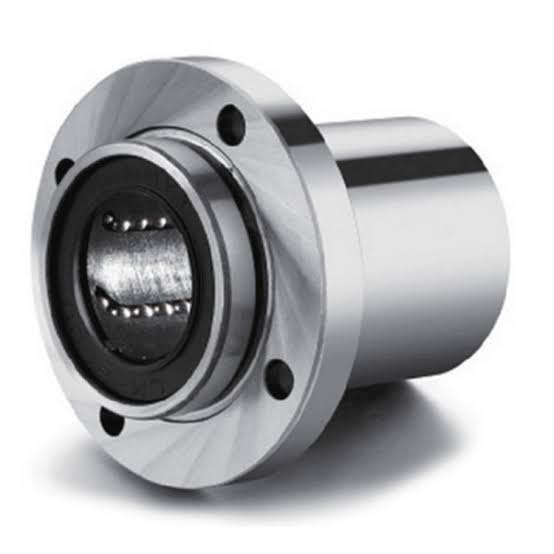
Marine bearings are essential components in shipbuilding, marine engineering, and vessel maintenance. They support rotating shafts, reduce friction, and help maintain the stability of propulsion systems, pumps, rudder assemblies, and other onboard machinery. Since marine equipment operates under challenging conditions involving saltwater, humidity, vibration, and heavy loads, selecting suitable bearings is important for long-term operational reliability.
Choosing the right supplier requires more than comparing product prices. Buyers need to understand manufacturing quality, material specifications, technical capabilities, and delivery arrangements before placing an order. Asking the right questions about Marine Bearings can help shipowners, marine engineers, and equipment manufacturers identify products that meet their technical requirements while avoiding unnecessary maintenance expenses.
1. What Types of Marine Bearings Do You Offer?
The first question should focus on the supplier’s available product range. Marine machinery uses different bearing designs depending on the application, operating speed, mechanical load, and environmental conditions.
For example, propulsion shafts, rudder systems, marine pumps, and auxiliary machinery may require different bearing configurations.
Ask whether the supplier offers suitable products for your equipment and whether standard or specialized designs are available. A broad product range can simplify procurement, particularly when multiple components are required for one vessel.
2. Which Materials Are Used in Your Bearings?
Material selection directly affects bearing durability, corrosion resistance, and operating performance. Marine equipment frequently encounters moisture, saltwater, temperature changes, and continuous mechanical stress.
Common marine bearing materials include bronze alloys, stainless steel, engineered polymers, and specialized composites. Each material offers different characteristics depending on its intended application.
When discussing material options, ask about:
- Corrosion resistance in marine environments.
- Mechanical strength under operating loads.
- Friction and wear characteristics.
- Compatibility with lubrication systems.
- Temperature resistance and dimensional stability.
Understanding these properties helps buyers select materials that suit their machinery and operating environment.
3. Do Your Products Meet Relevant Quality Standards?
Quality standards provide important guidance when evaluating marine components. Buyers should ask whether the supplier follows established manufacturing procedures and maintains a documented quality management system.
ISO 9001 certification is one example of a quality management standard that may be relevant to a manufacturer’s operations. Depending on the vessel and equipment requirements, certain marine applications may also require approval from classification societies such as ABS, DNV, or Lloyd’s Register.
Request relevant certificates, technical specifications, and inspection documentation. Always confirm that any claimed certification or approval applies to the actual product and intended application.
4. How Do You Maintain Manufacturing Precision?
Bearing performance depends heavily on dimensional accuracy and manufacturing consistency. Incorrect dimensions, surface defects, or unsuitable tolerances can cause installation difficulties, excessive friction, and premature wear.
Ask suppliers about their machining equipment, measurement methods, and inspection procedures.
Important manufacturing considerations include:
- Inner and outer diameter accuracy.
- Bearing width and dimensional tolerances.
- Surface finish quality.
- Material consistency.
- Final product inspection.
A supplier should be able to explain how these characteristics are controlled throughout production.
5. Can You Manufacture Customized Bearing Solutions?
Some marine engineering projects require specialized bearing dimensions or configurations that are not available as standard products.
Ask whether the supplier can manufacture components according to technical drawings, shaft measurements, and equipment specifications.
Customization may involve material selection, dimensional adjustments, design modifications, or specific lubrication arrangements.
This capability is particularly useful when replacing older components, maintaining specialized vessels, or developing new marine machinery.
6. What Experience Do You Have in Marine Engineering?
Industry experience can help determine whether a supplier understands the technical demands of marine applications.
Ask about previous projects, the types of vessels they support, and their experience with different marine machinery systems.
A knowledgeable supplier should understand how operating speed, shaft alignment, mechanical loads, vibration, and environmental exposure influence bearing selection.
Experience with similar applications can also make technical communication and product evaluation more efficient.
7. Do You Provide Technical Assistance?
Technical support is valuable when selecting bearings for complex marine equipment. Buyers may need assistance with product compatibility, material recommendations, installation requirements, and operating specifications.
Ask whether the supplier can review engineering drawings and recommend appropriate products.
Useful technical services may include:
- Product selection guidance.
- Dimensional and compatibility checks.
- Material recommendations.
- Installation instructions.
- Maintenance and troubleshooting advice.
Access to accurate technical information helps reduce purchasing mistakes and supports reliable equipment operation.
8. What Are Your Production and Delivery Capabilities?
Timely delivery is important in shipbuilding and marine maintenance. Delays in receiving essential components can affect repair schedules, equipment installation, and vessel availability.
Ask suppliers about their production capacity, inventory availability, standard lead times, and international shipping arrangements.
It is also important to understand whether they can handle bulk orders and urgent replacement requirements.
A supplier with organized production planning and transparent communication can help buyers manage procurement schedules more effectively.
9. What Warranty and After-Sales Support Do You Offer?
A supplier’s responsibility should extend beyond delivering the products. Warranty coverage and technical assistance are important considerations when purchasing critical marine components.
Ask about warranty duration, applicable conditions, replacement procedures, and how manufacturing-related defects are handled.
You should also determine whether technical support is available after installation. Clear warranty terms and responsive communication can make future maintenance activities easier to manage.
10. How Competitive and Transparent Is Your Pricing?
Pricing should be evaluated alongside product quality and expected service life. A low initial purchase price may not represent good value if the bearing requires frequent replacement.
Request detailed quotations covering material specifications, customization costs, order quantities, packaging, and delivery expenses.
Compare different suppliers using consistent requirements rather than focusing exclusively on the cheapest quotation.
Considering long-term maintenance costs and expected durability can lead to more practical purchasing decisions.
11. Can You Provide Customer References and Product Documentation?
Customer references can provide useful information about a supplier’s reputation and service reliability.
Ask whether the supplier can share previous project experience, relevant customer references, or examples of similar marine applications.
Product documentation is equally important. Depending on the application, useful records may include material certificates, technical data sheets, dimensional inspection reports, and test documentation.
For buyers researching marine bearing solutions, Techemer is one industry name worth exploring. As with any potential supplier, evaluating technical capabilities, product specifications, and quality documentation is essential before making a purchasing commitment.
Conclusion
Selecting a reliable marine bearing supplier requires careful evaluation of product quality, material selection, manufacturing precision, technical expertise, customization capabilities, and delivery performance.
By asking the right questions before placing an order, marine businesses can better understand supplier capabilities and identify products suited to their equipment. A thoughtful purchasing process helps reduce maintenance risks, control operating expenses, and maintain dependable vessel performance over the long term.