

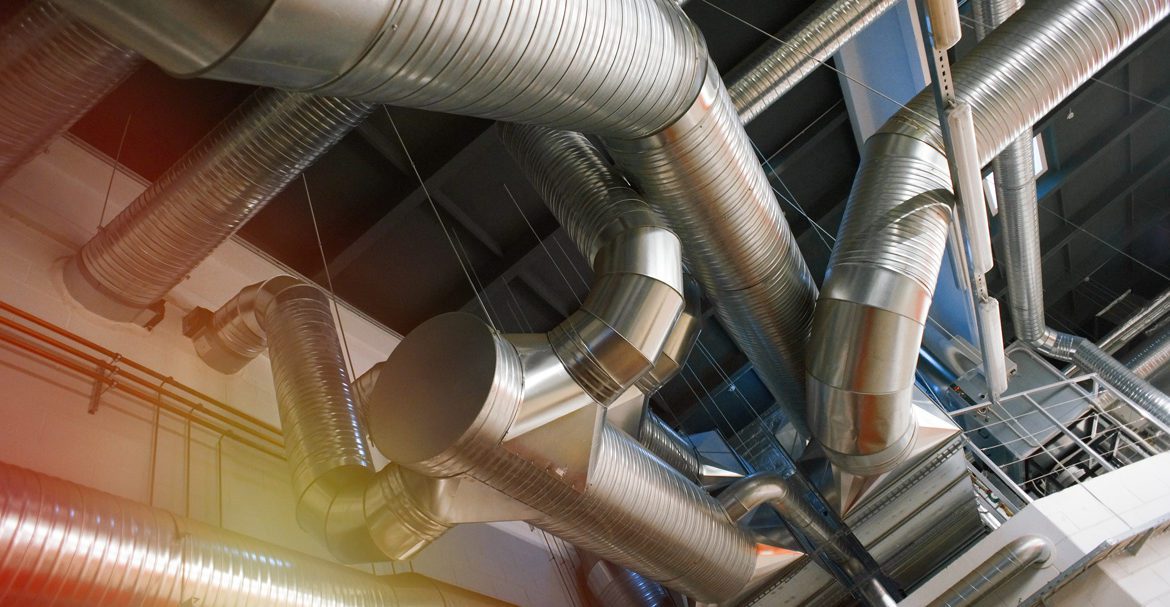
The efficiency and reliability of an HVAC system depend not only on the equipment used but also on the quality of the ductwork that distributes air throughout a building. Properly fabricated ductwork ensures that air flows efficiently, temperatures remain consistent, and energy consumption is minimized. Conversely, poorly fabricated ducts can lead to significant energy losses, uneven airflow, and reduced system performance. Understanding the role of ductwork fabrication is essential for contractors, engineers, and building owners aiming to maximize HVAC system efficiency.
Ductwork Fabrication is the process of designing, cutting, shaping, and assembling duct components to meet the specific needs of an HVAC system. This process involves selecting suitable materials, accurately cutting and forming panels, and assembling them into duct sections with precise dimensions. High-quality fabrication ensures airtight seals, smooth internal surfaces, and proper alignment, all of which are critical for optimal HVAC performance.
Table of Contents
ToggleInfluence on Airflow Efficiency
One of the most direct ways ductwork fabrication affects HVAC performance is through airflow efficiency. Poorly fabricated ducts with gaps, leaks, or improper dimensions create resistance, turbulence, and air pressure imbalances. These issues force HVAC systems to work harder to deliver conditioned air to occupied spaces, increasing energy consumption and reducing equipment lifespan.
High-quality fabrication ensures that ducts are cut, bent, and assembled accurately, creating smooth internal surfaces that facilitate unobstructed airflow. Properly sized ducts maintain consistent pressure throughout the system, allowing HVAC equipment to operate at its designed capacity. Efficient airflow not only reduces energy consumption but also enhances comfort by delivering even temperatures across all areas of a building.
Energy Consumption and Cost Savings
The impact of ductwork fabrication on energy efficiency cannot be overstated. Leaks, poor sealing, or misaligned joints in poorly fabricated ducts allow conditioned air to escape, resulting in wasted energy. Heating or cooling units must compensate for this loss, which increases utility bills and places additional strain on system components.
In contrast, precise ductwork fabrication minimizes air leakage and ensures that conditioned air reaches its intended destination efficiently. By maintaining consistent temperatures and reducing the need for HVAC units to overwork, properly fabricated ducts lead to lower energy costs and improved system reliability. Over time, the energy savings from high-quality ductwork can offset the initial investment in superior fabrication materials and techniques.
Temperature Control and Comfort
Temperature consistency throughout a building is another critical factor influenced by ductwork fabrication. Unevenly fabricated ducts can result in hot or cold spots, creating discomfort for occupants. These issues are often due to poor alignment, improper sizing, or leaks that disrupt the flow of conditioned air.
Accurate duct fabrication ensures uniform distribution of air, allowing HVAC systems to maintain consistent temperatures in all rooms. This is particularly important in commercial and multi-story buildings where airflow imbalances can affect multiple areas. Enhanced temperature control improves occupant comfort, productivity, and satisfaction while reducing complaints related to HVAC performance.
Noise Reduction
Airflow noise and vibrations are common issues in HVAC systems, particularly when ducts are poorly fabricated. Gaps, misaligned joints, or sharp bends can amplify mechanical sounds, resulting in disruptive noise throughout the building. Excessive noise not only affects comfort but can also indicate inefficiencies within the system.
Ductwork fabrication that prioritizes precision and airtight sealing reduces turbulence and vibration, minimizing noise transmission. Additionally, materials such as insulation duct boards can absorb sound, further improving acoustic comfort. A quieter HVAC system contributes to a more comfortable and productive environment, especially in offices, schools, and residential settings.
Durability and Maintenance
The quality of ductwork fabrication also affects the durability and maintenance requirements of an HVAC system. Poorly fabricated ducts are prone to damage, corrosion, and leaks, leading to frequent repairs and increased maintenance costs. Over time, this can compromise system reliability and shorten the lifespan of HVAC equipment.
High-quality fabrication ensures robust construction with precise joints and secure sealing. Durable ducts are less likely to develop leaks or structural issues, reducing the need for maintenance and minimizing the risk of system downtime. Long-lasting ductwork contributes to overall HVAC system reliability and cost-effectiveness.
Conclusion
Ductwork fabrication plays a crucial role in determining the performance of HVAC systems. From airflow efficiency and energy savings to temperature consistency, noise reduction, and durability, every aspect of system performance is influenced by the quality of fabricated ducts. Accurate design, proper material selection, and precise assembly are essential to maximize HVAC efficiency and comfort.
Investing in high-quality ductwork fabrication ensures that HVAC systems operate effectively, reduce energy costs, and maintain reliable performance over time. For building owners, engineers, and contractors, prioritizing precision in duct fabrication is a key step toward achieving long-term efficiency, occupant comfort, and system sustainability.