

In modern industrial operations, achieving high efficiency and maximizing output are crucial for maintaining competitiveness and reducing operational costs. Among the various separation technologies, disc stack centrifuge systems have become a preferred choice for industries requiring rapid and reliable solid-liquid or liquid-liquid separation. These machines combine compact design, high rotational speeds, and automated operation to deliver consistent performance while minimizing energy consumption. Understanding how disc stack centrifuges optimize energy use and output is key for industries aiming to improve sustainability and operational efficiency.
Table of Contents
ToggleDesign Features That Enhance Efficiency
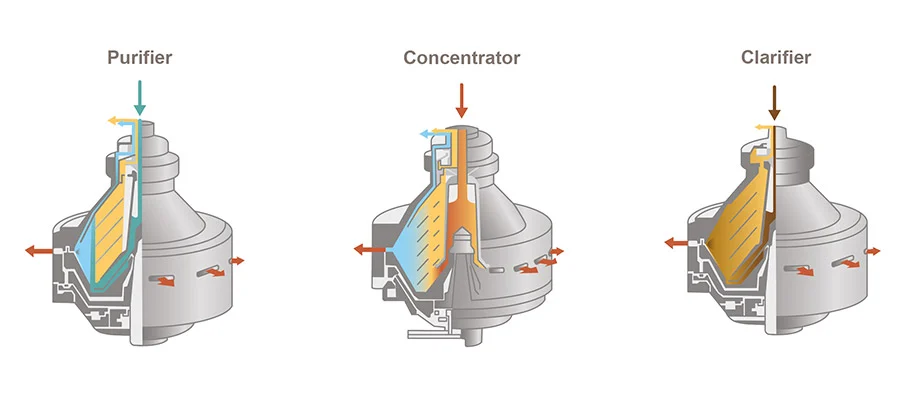
The design of a disc stack centrifuge is inherently energy-efficient. Its unique stacked-disc arrangement increases the effective settling area within a compact bowl, allowing separation to occur rapidly and with minimal energy input. As feed material enters the centrifuge, centrifugal force pushes denser components outward while lighter liquids or clarified fractions move toward the center. This design reduces the distance that particles or droplets must travel, minimizing residence time and energy requirements. Industries seeking high-throughput separation with lower operating costs can benefit from a Disc Stack Centrifuge that is engineered for the specific densities and viscosities of the process liquids.
Continuous Operation for Maximum Output
One of the key advantages of disc stack centrifuge systems is their ability to operate continuously. Unlike batch separation methods, which require frequent stopping for cleaning or material discharge, disc stack centrifuges process liquids non-stop, maintaining consistent output quality. Continuous operation ensures higher throughput, reduces labor requirements, and minimizes process interruptions. For industries such as oil and gas, food and beverage, and chemical processing, this translates into more efficient production lines and faster processing times without increasing energy consumption.
Optimized Flow and Throughput
Output optimization in disc stack centrifuge systems is achieved through precise control of feed rate, rotational speed, and bowl configuration. Manufacturers often provide customization options such as variable-speed drives, adjustable disc angles, and optimized inlet designs to handle diverse feed materials. These adjustments allow the centrifuge to maximize separation efficiency while maintaining high throughput. By optimizing these parameters, industries can achieve higher recovery rates of valuable liquids and reduce residual contamination, improving both productivity and product quality.
Energy-Saving Technologies
Modern disc stack centrifuges incorporate several energy-saving technologies to reduce operational costs. Variable frequency drives (VFDs) enable the centrifuge to adjust rotational speeds according to the characteristics of the feed, avoiding unnecessary power consumption. Efficient motor systems, lightweight but durable construction materials, and precision engineering also contribute to lower energy usage. In addition, continuous separation reduces the need for repeated processing cycles, further conserving energy. Implementing energy-efficient centrifuge systems allows industries to maintain high performance while minimizing electricity costs and environmental impact.
Automation and Smart Control
Automation plays a significant role in optimizing both energy use and output. Advanced disc stack centrifuge systems feature programmable logic controllers (PLCs), real-time sensors, and automated discharge mechanisms. These systems monitor critical parameters such as feed composition, rotational speed, temperature, and vibration, allowing the machine to adjust operations automatically for optimal separation. Automation minimizes human error, improves consistency, and ensures that the centrifuge operates at peak efficiency under varying feed conditions. Predictive maintenance tools can further reduce downtime, ensuring continuous high-output operation.
High Separation Accuracy
Disc stack centrifuges excel in achieving precise separation of fine particles or immiscible liquids. The increased settling area provided by the stacked discs enhances separation efficiency, allowing more complete removal of contaminants or solids from the liquid phase. This high level of accuracy not only improves product quality but also reduces the energy required for downstream processes such as filtration, drying, or polishing. Efficient separation leads to better material recovery, reduced waste, and higher overall operational efficiency.
Reduced Maintenance and Operational Costs
The efficient design of disc stack centrifuges also contributes to lower maintenance requirements. Automated discharge systems, minimal moving parts, and corrosion-resistant construction reduce wear and tear, leading to fewer unplanned stoppages and reduced labor costs. Lower maintenance needs directly impact energy efficiency, as machines can operate continuously without frequent interruptions that would otherwise require restarting and reprocessing materials.
Applications Across Industries
Disc stack centrifuges are widely used in industries that require high-efficiency separation and consistent output. In the food and beverage industry, they clarify juices, dairy products, and edible oils. In oil and gas, they separate water from crude oil and recover valuable hydrocarbons. The chemical and pharmaceutical sectors rely on them for solvent recovery, purification, and emulsified liquid separation. Across all applications, energy-efficient disc stack centrifuges improve productivity, reduce operational costs, and support sustainable manufacturing practices.
Conclusion
Energy efficiency and output optimization are critical factors in industrial separation processes, and disc stack centrifuge systems provide a robust solution for achieving both. Their innovative design, continuous operation, precise control, and energy-saving technologies allow industries to maximize throughput, reduce operational costs, and maintain high product quality. Automation and low-maintenance features further enhance efficiency and reliability. By integrating advanced disc stack centrifuge systems into production processes, businesses can achieve sustainable, high-performance operations while minimizing energy consumption and environmental impact.