Safety Guidelines for Organizing Inflatable Sports Games
Inflatable sports games are popular attractions at school sports days, corporate team-building events, birthday parties, community festivals, and recreational venues. They combine physical activity with friendly competition, giving participants opportunities to develop teamwork, coordination, and confidence. However, organizing these activities safely requires careful planning, suitable equipment, proper installation, and effective supervision.
When arranging Inflatable Sports Games, event organizers must consider more than the appearance and entertainment value of each attraction. They also need to evaluate the participants’ ages, venue conditions, weather restrictions, equipment specifications, and emergency procedures.
Whether you are planning a small school event or a large public festival, following clear safety guidelines can help reduce preventable risks and create a better experience for everyone. This guide explains the essential steps for organizing inflatable sports games responsibly.
1. Choose Inflatable Sports Games Suitable for Your Audience
The first step toward a safe event is selecting attractions that match the intended participants. Different inflatable games have different physical demands, operating requirements, and potential hazards.
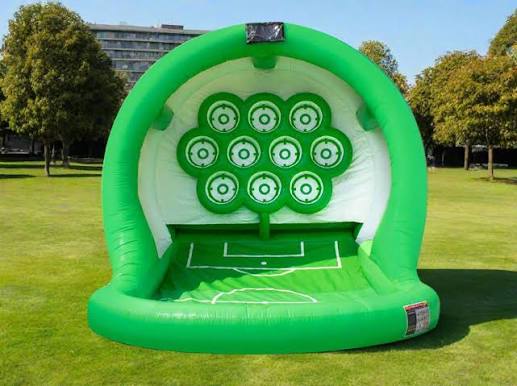
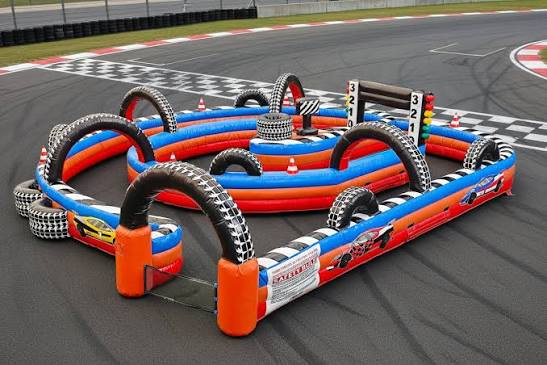
For example, a large obstacle course may be suitable for certain school or corporate activities, while a simple football target game may be easier to manage for mixed-age groups.
Consider Age and Physical Ability
Before choosing equipment, identify the expected age range and general activity level of participants. Review the manufacturer’s age recommendations, size restrictions, and participant limits.
Younger children may need simpler activities with easy access and lower physical demands. Older students and adults may prefer obstacle courses, basketball challenges, or interactive team games.
Avoid allowing participants with significantly different sizes or abilities to share an attraction when the manufacturer’s instructions prohibit it. If necessary, schedule separate sessions for different groups.
Match the Game to the Event
The type of event also affects equipment selection.
- School sports days: Consider age-appropriate obstacle courses, football targets, and basketball challenges.
- Corporate events: Choose team-oriented games that encourage communication and cooperation.
- Community festivals: Select attractions with clear operating rules and manageable participant flow.
- Family gatherings: Look for games suitable for the intended age groups and available supervision.
Selecting appropriate equipment from the beginning makes planning easier and helps organizers establish realistic operating procedures.
2. Purchase or Rent Equipment From a Reliable Supplier
Equipment quality plays an important role in safe operation. Poor construction, unsuitable materials, damaged seams, or incompatible inflation systems may affect an inflatable game’s performance.
When comparing Inflatable Sports Games, choose a supplier that can provide clear product specifications, operating instructions, relevant safety documentation, and reliable after-sales support.
Check Product Documentation
Ask the supplier for the documents relevant to the specific attraction, including:
- Product dimensions and technical specifications.
- Installation and operating instructions.
- Recommended participant numbers and age ranges.
- Anchoring requirements and weather restrictions.
- Inspection and maintenance procedures.
- Applicable test reports or conformity documentation.
Safety standards vary by product category and location. For example, EN 14960 covers certain types of inflatable play equipment in Europe, while applicable ASTM standards or other requirements may apply to specific products in the United States.
Confirm which requirements apply to your equipment and venue rather than assuming that one standard covers every inflatable sports game.
Inspect the Equipment Before Use
If you are renting equipment, ask the provider about its inspection and maintenance procedures. If you own the attraction, follow the manufacturer’s pre-use inspection instructions.
Check for visible damage, worn fabric, loose attachments, damaged seams, air leaks, and problems with the blower or electrical components. Any defect that could affect safe operation should be assessed before the game is used.
Do not operate equipment that appears damaged or cannot maintain the condition required by its manufacturer.
3. Select a Suitable Installation Location
The installation area should be suitable for the attraction’s size, operating requirements, and intended use.
A poor location can create problems even when the inflatable itself is in good condition.
Prepare the Ground or Floor
For outdoor events, select an appropriate surface and remove hazards such as sharp objects, debris, branches, and other obstructions.
For indoor events, confirm that the flooring can accommodate the equipment and that the manufacturer’s approved stabilization or anchoring method can be used.
Do not assume that every inflatable game can be installed on grass, concrete, artificial turf, or indoor flooring. Ask the supplier which surfaces are suitable for the specific model.
Allow Sufficient Clearance
Measure the full installation area before setting up the attraction. Include the inflatable’s dimensions, required anchoring space, access points, blower location, and any specified safety clearances.
Keep the attraction away from hazards such as overhead obstructions, vehicle routes, exposed electrical equipment, and areas where other activities could interfere with participants.
Ensure that emergency exits, walkways, and access routes remain clear throughout the event.
Plan Participant Movement
Organize clear entry and exit points, waiting areas, and spectator zones. Participants should not need to cross an active playing area to reach another attraction.
For large events, consider using barriers or signs to separate queues from the game itself. Good layout planning makes supervision easier and reduces unnecessary congestion.
4. Secure the Inflatable Game Properly
Anchoring is an essential safety consideration for many inflatable sports games, especially those installed outdoors.
The correct method depends on the attraction’s design, installation surface, and manufacturer’s instructions.
Follow the Specified Anchoring Method
Use the approved anchoring equipment and configuration provided or specified by the manufacturer. Depending on the product and site, this may involve suitable ground stakes, approved ballast, or another specified system.
Before installation, confirm that the ground or floor can accommodate the required method.
If the attraction will be placed on a surface where the recommended anchors cannot be used, obtain an approved alternative from the manufacturer. Never improvise an anchoring arrangement without confirming its suitability.
Check Anchors During Operation
Anchoring should not be treated as a one-time task that requires no further attention. Follow the manufacturer’s instructions for checking the installation and monitoring changes in ground conditions.
If an anchor becomes loose, damaged, or displaced, stop operation when necessary and correct the problem before allowing participants to return.
Staff should understand how to recognize an anchoring problem and who is responsible for responding to it.
5. Monitor Weather Conditions for Outdoor Events
Weather can affect inflatable structures, participants, and installation surfaces. Outdoor organizers should establish clear weather-monitoring and shutdown procedures before the event begins.
Follow Wind Restrictions
Wind is a particularly important consideration for inflatable attractions. Follow the manufacturer’s specified wind limits and any additional requirements imposed by local authorities or the venue.
Use an appropriate method to monitor conditions throughout the event. If the applicable operating limit is reached or conditions become unsafe, stop the attraction according to the manufacturer’s shutdown instructions.
Do not rely on visual judgment alone when a specified wind limit applies.
Consider Rain and Wet Surfaces
Rain may affect traction, electrical safety, ground stability, and the condition of some materials.
Follow the manufacturer’s guidance regarding rain, moisture, and surface conditions. Do not operate the attraction if the weather or ground conditions make it unsuitable for use.
Prepare a Backup Plan
Organizers should decide in advance what will happen if outdoor activities must stop.
Possible arrangements include moving suitable activities to an approved indoor location, postponing the inflatable games, or offering alternative entertainment.
An indoor venue must still meet the equipment’s height, floor, ventilation, electrical, and clearance requirements.
6. Follow Participant Capacity and Age Restrictions
Every inflatable attraction has operating limitations. Exceeding them can increase congestion and the risk of collisions or falls.
Respect Maximum Capacity
Follow the manufacturer’s stated participant limits and any additional restrictions involving participant size, age, or activity type.
Do not estimate capacity based only on the apparent size of the inflatable. Different designs have different layouts and operating requirements.
Assign a responsible supervisor to monitor the number of participants and prevent overcrowding.
Separate Incompatible Groups
Some attractions are not suitable for participants of substantially different ages or sizes playing together.
Where required, organize separate sessions for children and older participants. Clear schedules can help manage demand while allowing everyone an appropriate opportunity to take part.
Establish Simple Rules
Before each session, explain how participants should enter, move through, and leave the attraction.
Rules should cover waiting turns, prohibited behavior, contact between participants, and what to do if someone falls or needs assistance.
Participants should understand that the supervisor’s instructions must be followed throughout the activity.
7. Provide Appropriate Supervision
Supervision is essential for inflatable sports games because conditions can change quickly as participants enter, exit, and interact.
The level of supervision required depends on the attraction, the number and age of participants, and applicable regulations.
Assign Trained Operators
Designate responsible personnel to oversee each attraction according to its operating requirements. Staff should understand the equipment, participant limits, shutdown procedures, and emergency arrangements.
For larger events, assign separate responsibilities for operating the game, managing queues, and coordinating the overall event.
Keep Supervisors Focused
Supervisors should be able to see the relevant activity and respond promptly when participants break the rules or an unsafe condition develops.
Avoid assigning duties that prevent staff from monitoring the attraction effectively. For example, a person responsible for a busy check-in desk may not be able to supervise an inflatable game at the same time.
Manage Entry and Exit
Keep access points clear and prevent participants from entering before the previous group has exited when the manufacturer’s instructions require this arrangement.
Supervisors should also prevent spectators from entering restricted areas and make sure participants do not interfere with the blower, anchors, or other equipment.
8. Check Blowers and Electrical Equipment
Many inflatable sports games rely on powered blowers to maintain their shape and operating performance. These components must be installed and operated according to the manufacturer’s instructions.
Use Compatible Equipment
Confirm that the blower matches the inflatable’s specifications. Using an incompatible blower or altering the inflation system without authorization may affect performance and safety.
Position the blower as instructed, maintain required ventilation, and protect the equipment from unauthorized access.
Inspect Electrical Connections
Check the power supply, cables, plugs, and electrical components before use. Ensure that the setup complies with applicable electrical requirements and is suitable for the installation environment.
Outdoor installations may need electrical equipment and protective measures appropriate for outdoor conditions.
Keep cables organized so they do not create trip hazards or interfere with participants. Do not operate equipment with damaged electrical components.
Know When to Shut Down
Staff should know how to respond if a blower stops working, the inflatable loses its required shape, or an electrical fault occurs.
Follow the manufacturer’s emergency procedures, stop participation when necessary, and do not resume operation until the problem has been resolved.
9. Conduct Pre-Event and Ongoing Inspections
Inspections help identify problems before they affect participants. The inspection process should follow the manufacturer’s instructions and any applicable regulatory requirements.
Complete a Pre-Use Checklist
Before opening an attraction, check the areas identified in the operating manual. Depending on the product, this may include:
- Fabric, seams, and reinforced areas.
- Anchors and attachment points.
- Inflation performance and blower operation.
- Electrical cables and connections.
- Entrances, exits, and surrounding clearance.
- Surface conditions and visible hazards.
- Required signs, barriers, and operating instructions.
Document the inspection where required by the event’s procedures or applicable regulations.
Monitor the Attraction During Use
Continue observing the equipment and surrounding area while the activity is operating. Look for signs of damage, displaced anchors, abnormal inflation, overcrowding, or changes in environmental conditions.
If a potentially unsafe problem occurs, stop the activity and assess the situation before allowing it to continue.
Arrange Maintenance and Professional Inspections
Follow the manufacturer’s maintenance schedule and retain records of repairs and servicing.
Some attractions or operating environments may require periodic inspections by qualified personnel. Check local regulations, venue rules, and insurance conditions to determine what is necessary.
10. Establish Emergency Procedures
Even with careful planning, unexpected situations can occur. Organizers should have clear procedures for equipment faults, injuries, severe weather, and other emergencies.
Prepare an Emergency Plan
Before the event, identify who has authority to stop an attraction and who is responsible for contacting emergency services when necessary.
Staff should know the location of first-aid resources, emergency exits, communication equipment, and the venue’s designated assembly areas.
For larger events, share the plan with all relevant staff before activities begin.
Train Staff on Shutdown Procedures
Operators should know how to respond if the inflatable loses pressure, an anchor becomes displaced, or weather conditions exceed permitted limits.
The correct response depends on the equipment and situation, so follow the manufacturer’s specific instructions rather than relying on a generic shutdown method.
Participants should not be allowed to continue playing while a potentially unsafe condition remains unresolved.
Record Incidents
Document injuries, equipment faults, and other significant incidents according to the event’s procedures and applicable requirements.
Incident records can help identify recurring problems and improve planning for future events.
11. Maintain Cleanliness and Hygiene
Inflatable games may be used by many participants throughout a single day. Cleaning and hygiene procedures are therefore important, especially at schools, family events, and public festivals.
Follow the manufacturer’s instructions for cleaning and disinfecting the material. Use only compatible cleaning products and methods to avoid damaging the fabric or coating.
Remove dirt and debris as needed, and allow equipment to dry according to the manufacturer’s guidance before packing it away.
If the event involves shared protective equipment or accessories, establish appropriate cleaning procedures between users.
Regular cleaning also provides an opportunity to notice wear, damage, or other maintenance concerns.
12. Train Staff and Brief Participants
A short safety briefing can help participants understand how to use an attraction responsibly.
Explain the Rules Before Play
Provide clear instructions covering:
- How to enter and exit the attraction.
- The permitted number of participants.
- Activities or behaviors that are prohibited.
- How to follow turns and respect other participants.
- What to do when a supervisor gives an instruction.
- How to report damage, discomfort, or an unsafe condition.
Use language appropriate for the participants’ ages and abilities.
Ensure Staff Understand Their Responsibilities
Staff should know which activities they are authorized to supervise and when they must stop operation.
For more complex attractions, arrange training or guidance from the equipment provider. Keep operating manuals accessible to the people responsible for the equipment.
13. Create a Safe Layout for Multiple Games
Events that feature several inflatable sports games require additional coordination. Poorly arranged attractions can create crowded queues, conflicting movement routes, and difficulties for supervisors.
Separate Active Play Areas
Allow sufficient distance between attractions according to their operating requirements. Make sure balls, participants, and moving equipment from one game cannot interfere with another.
Place waiting areas outside active play zones and keep emergency access routes clear.
Use Clear Signs and Markings
Display the rules, participant limits, age restrictions, and other relevant information where participants can see them.
Mark entry points, exits, and waiting areas when appropriate. Consistent signs help participants understand how the event is organized.
Schedule Activities Effectively
For larger events, use time slots or group rotations to distribute participants across the available attractions.
Allow enough time for transitions, breaks, inspections, and any required maintenance. Avoid scheduling more participants than the equipment can accommodate.
14. Use a Practical Safety Checklist
Before opening your event, review the following checklist to confirm that the essential arrangements have been addressed.
-
The selected games are appropriate for the intended participants.
-
Product specifications and operating instructions are available.
-
The installation area meets the equipment requirements.
-
Approved anchoring or stabilization arrangements are in place.
-
Weather conditions meet the manufacturer’s operating limits.
-
Blowers and electrical equipment have been checked.
-
Participant limits and age restrictions are displayed or communicated.
-
Responsible supervisors understand their duties.
-
Pre-use inspections have been completed.
-
Emergency and shutdown procedures are established.
-
Queues, exits, and spectator areas are clearly organized.
-
Cleaning and maintenance arrangements are in place.
This checklist is a planning aid, not a substitute for the manufacturer’s instructions, a product-specific risk assessment, or any inspections required by law.
Conclusion
Organizing inflatable sports games safely requires a combination of suitable equipment, careful installation, effective supervision, and ongoing monitoring. Event planners should evaluate the intended participants, venue conditions, weather restrictions, electrical arrangements, and equipment documentation before opening any attraction.
When selecting Inflatable Sports Games, work with a supplier that provides clear technical specifications, relevant safety information, and dependable support. Follow the manufacturer’s instructions for anchoring, participant limits, inspection, maintenance, and shutdown procedures.
With thoughtful preparation, clear rules, and trained staff, schools, businesses, and event organizers can create enjoyable sporting activities while taking practical steps to manage risks and protect participants.