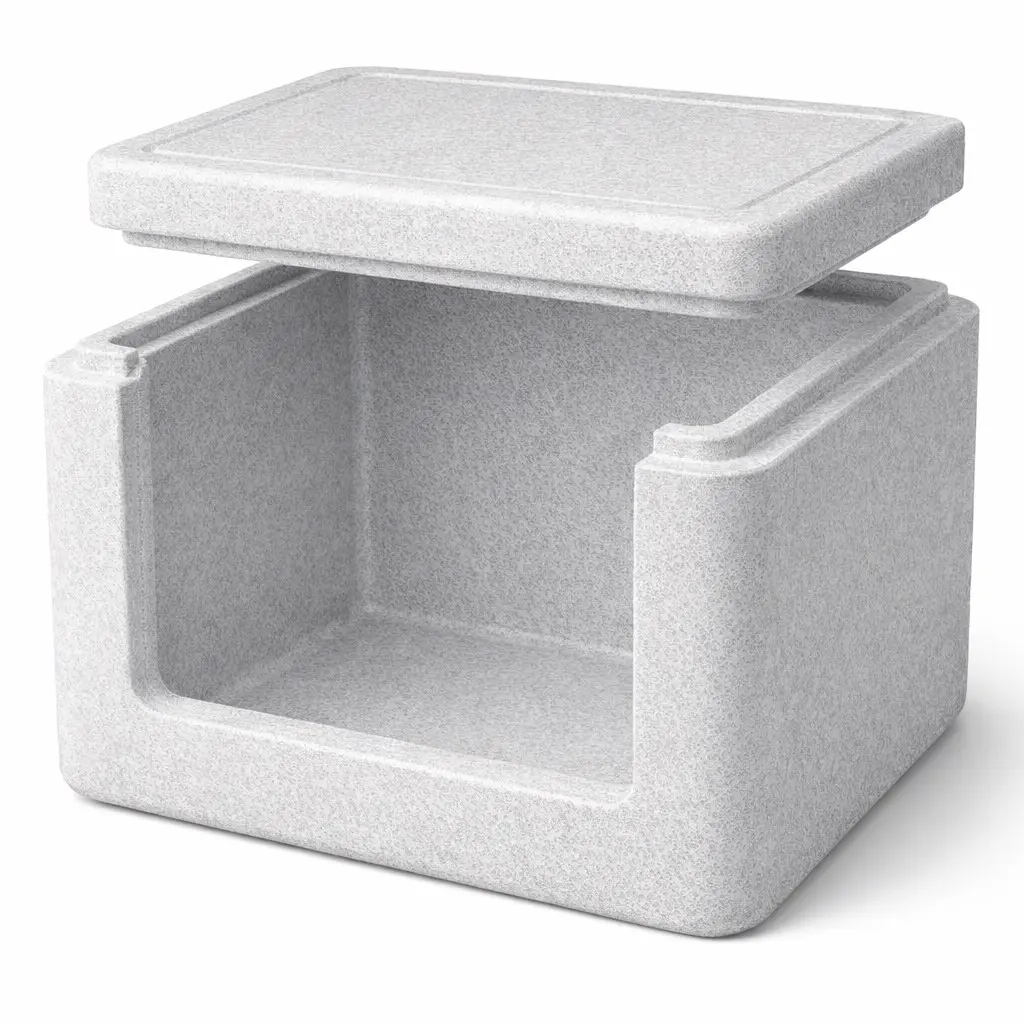
Fresh food needs careful handling when it is moved away from kitchens, refrigerators, or commercial storage facilities. Families may carry ingredients for a picnic, caterers may transport prepared meals to an event, and food businesses may deliver chilled products to customers. In each situation, the way food is packed and transported can influence its condition when it arrives. A suitable cooler helps organize supplies and reduce exposure to changing environmental temperatures.
A practical Food Cooler Box provides an enclosed, insulated space for carrying food with ice or appropriate cooling packs. Different designs offer different capacities, materials, and handling features, so the best option depends on the type of food, expected journey duration, and storage conditions. Understanding these differences helps users select equipment that suits both everyday needs and more demanding delivery tasks.
1. Compact Boxes for Personal Food Storage
Smaller food cooler boxes are useful for packed lunches, snacks, and short outings. Their compact dimensions make them easier to carry and store, particularly when space is limited.
They may suit commuters, students, day visitors, and individuals who need to bring a modest amount of chilled food. Some designs include separate compartments or removable inserts that help keep different items organized.
Before choosing a compact model, check whether it has enough space for both the food packages and any cooling material required. A container that is too tightly packed can be difficult to close properly.
2. Medium-Sized Options for Families and Day Trips
A medium-sized cooler can provide more room for family picnics, road trips, and outdoor activities. It may accommodate drinks, fruit, sandwiches, and packaged ingredients without requiring several small containers.
This size can offer a useful balance between capacity and portability. However, the weight of the loaded box should be considered, especially if it needs to be carried over a long distance.
Look for comfortable handles and a lid that opens easily. If different foods need to be kept apart, use sealed packages or suitable internal organizers.
3. Larger Boxes for Catering and Commercial Use
Catering businesses and food suppliers often need more storage space than individual users. Larger cooler boxes can help move multiple food packages or ingredient containers in one organized load.
For commercial applications, capacity should be matched to the dimensions of trays, food-safe containers, and cooling materials. The outer design should also be suitable for repeated loading and unloading.
Businesses should consider whether several medium-sized containers may offer more flexibility than one very large box. Separate containers can help organize orders by destination or temperature requirement.
4. Insulation and Temperature Management
The main role of an insulated food cooler is to slow heat transfer. Its walls and lid help reduce the rate at which surrounding warmth reaches the contents.
Performance varies according to insulation material, thickness, lid fit, external temperature, and how frequently the container is opened. Cooling packs or ice provide the cold source; the insulation helps slow its loss.
For perishable food, the cooler must be used as part of a safe temperature-control plan. Chilled products should start at an appropriate temperature, and suitable monitoring may be necessary for longer journeys or commercial deliveries.
5. Materials and Construction
The material and construction of a cooler influence its durability, weight, cleaning requirements, and everyday usability.
A sturdy outer shell may be useful for frequent commercial transport, while a lightweight design may be more convenient for personal use. Inspect the corners, base, handles, hinges, and lid closure before purchasing.
The interior should be easy to clean and suitable for use with food packaging. Food should generally remain in appropriate sealed or food-grade containers rather than being placed directly against surfaces unless the cooler is specifically designed for that purpose.
6. Practical Features Worth Considering
Different users benefit from different design features. Compare the following before making a decision:
- Capacity: Match internal space to typical food quantities.
- Portability: Consider weight, handles, straps, and wheels.
- Lid design: Check that it closes securely and is easy to operate.
- Insulation: Review available performance information.
- Organization: Look for compartments or baskets if separation is important.
- Cleaning: Choose a surface that can be maintained hygienically.
- Durability: Assess whether the construction suits the expected frequency of use.
The cooler should also fit the available vehicle or storage space.
7. Better Packing and Maintenance Habits
Prepare food in sealed packages, use suitable cooling materials, and avoid leaving the lid open unnecessarily. Keep the cooler away from direct sunlight where possible. Separate raw ingredients from ready-to-eat foods and protect other packages from possible leaks.
After use, remove all contents, clean the interior according to the manufacturer’s instructions, and dry it before storage. Check the lid and handles regularly for signs of wear.
Conclusion
Food cooler boxes are available in compact, medium, and large formats for personal meals, family outings, catering, and commercial delivery. The most suitable choice balances capacity, insulation, durability, and ease of handling. When paired with safe food packaging, appropriate cooling methods, and good cleaning practices, a food cooler box can make fresh food storage and transportation more organized and dependable.