
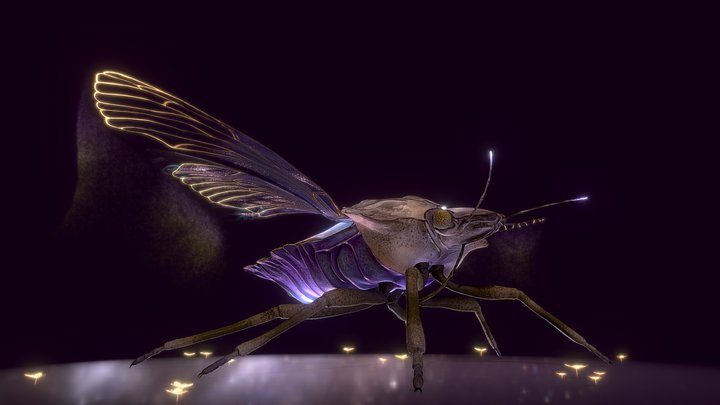
Insects play an essential role in ecosystems, supporting pollination, decomposition, food chains, and environmental balance. However, their small size and complex anatomy can make them difficult to observe in detail during classroom lessons, museum visits, and public exhibitions. Insect models provide a practical way to make these fascinating creatures easier to study by presenting their structures, shapes, and distinctive features in an enlarged or carefully reproduced form.
From realistic butterfly sculptures to oversized beetle displays, educational models can help visitors understand insect anatomy and biodiversity through visual learning. Well-designed Insect Models can transform scientific information into engaging displays, allowing students, educators, and museum visitors to explore details that might otherwise be difficult to see. Their versatility makes them valuable tools for science education, nature exhibitions, and environmental awareness programs.
What Are Insect Models?
Insect models are physical representations of insects created for educational, scientific, decorative, or exhibition purposes. They can reproduce the appearance of real species with varying levels of anatomical detail.
Some models are designed to show an insect’s external appearance, while others emphasize specific structures such as wings, antennae, legs, mouthparts, and body segments.
Common types include:
- Enlarged butterfly and moth models
- Realistic bee and wasp sculptures
- Beetle and ladybug models
- Ant and grasshopper displays
- Dragonfly and praying mantis models
- Detailed models of insect body structures
- Oversized insect sculptures for outdoor exhibitions
Depending on the intended application, these models may be small enough for classroom demonstrations or large enough to become major attractions in museums and public spaces.
Why Insect Models Are Important for Science Education
Science education often involves explaining structures and biological processes that are difficult to observe directly. Insect models provide a visual and physical reference that can make these concepts easier to understand.
Making Insect Anatomy Easier to Understand
An insect’s body generally consists of three main sections: the head, thorax, and abdomen. It also has three pairs of legs and, in many species, wings and specialized sensory structures.
A detailed model can help students identify these features and understand how they relate to the insect’s overall body structure.
Important anatomical features may include:
- Compound eyes
- Antennae
- Mandibles and other mouthparts
- Segmented legs
- Wings and wing veins
- Thorax and abdomen
- Exoskeleton
Enlarged models are particularly useful because students can examine details that are difficult to distinguish in small living insects.
Supporting Visual and Hands-On Learning
Physical models give students something concrete to observe while learning scientific concepts.
Teachers can use them to explain insect classification, adaptation, feeding behavior, and basic anatomy. Students can compare different species and identify similarities and differences.
This approach supports visual learning and can encourage curiosity through direct observation.
Introducing Biodiversity
Insects represent an exceptionally diverse group of animals. Models of different species can help students appreciate the variety of shapes, sizes, colors, and adaptations found in nature.
For example, comparing a butterfly, beetle, dragonfly, and grasshopper can introduce differences in wing structure, body shape, and movement.
These comparisons can also lead to discussions about habitats, food sources, and ecological roles.
How Museums Use Insect Models in Exhibitions
Museums often need to present scientific information in ways that are accurate, engaging, and accessible to visitors with different levels of knowledge.
Insect models can help bridge the gap between scientific detail and public understanding.
Enlarged Displays for Public Education
Large insect sculptures allow visitors to examine body features that are normally difficult to see.
An oversized bee, for example, can highlight its wings, legs, antennae, and body segments. A giant beetle can demonstrate the structure of its hard outer covering and distinctive body shape.
These displays can be particularly effective in family-oriented science museums and natural history exhibitions.
Species Identification Displays
Museums can arrange insect models into collections based on species, habitats, or biological characteristics.
A display might include butterflies, beetles, bees, and dragonflies, with information explaining their distinguishing features.
Clear labels can help visitors identify each species and understand its place within the wider insect group.
Interactive Educational Stations
Models can also be incorporated into interactive learning areas.
Visitors may be invited to identify body parts, compare insect species, or match models with information about their habitats and diets.
These activities encourage active participation and make scientific exhibitions more approachable for younger audiences.
Popular Insect Models for Educational and Exhibition Use
Different insect species offer different educational opportunities. Selecting a variety of models can help create a balanced exhibition.
Butterfly Models
<text color=”secondary” size=”sm”> </text>
Butterfly models are popular because of their colorful wings and recognizable shapes.
They can be used to explain:
- Wing structure and symmetry
- Metamorphosis
- Pollination
- Feeding behavior
- Migration and habitat adaptation
An enlarged butterfly model can make wing patterns and body features easier to examine.
Bee Models
Bee models are useful for teaching visitors about pollination and the ecological importance of insects.
A detailed bee sculpture may highlight its hairy body, wings, antennae, legs, and pollen-carrying structures.
Educational displays can explain how bees contribute to the reproduction of flowering plants and support agricultural ecosystems.
Beetle Models
Beetles are an especially diverse insect group, making them useful for exhibitions about biodiversity.
Models can demonstrate features such as hardened wing covers, segmented legs, antennae, and variations in body shape.
Different beetle species can also introduce discussions about habitats, feeding habits, and ecological roles.
Dragonfly Models
Dragonflies are known for their elongated bodies, large compound eyes, and two pairs of transparent wings.
Models can help explain their flight adaptations and their role as predators of smaller insects.
They are also suitable for exhibitions focused on wetlands and freshwater ecosystems.
Ant Models
Ant models can support educational discussions about social insects, communication, cooperation, and colony organization.
An enlarged ant model can help students identify its head, thorax, abdomen, antennae, and legs.
Grasshopper and Praying Mantis Models
Grasshoppers are useful for demonstrating jumping adaptations and specialized hind legs. Praying mantis models can highlight their distinctive posture, triangular heads, and grasping forelegs.
Both species offer opportunities to discuss movement, feeding strategies, and predator-prey relationships.
Materials Used in Insect Model Production
The material selected for an insect model influences its appearance, durability, weight, and suitability for different display environments.
Fiberglass
Fiberglass is frequently used for detailed sculptures because it can reproduce complex shapes and surface textures.
It offers several practical advantages:
- Relatively lightweight construction
- Ability to create enlarged anatomical details
- Compatibility with different paint finishes
- Suitability for many indoor and outdoor displays when properly finished
Fiberglass is often considered for larger insect sculptures and permanent exhibition installations.
Resin
Resin can be used to produce smaller models with detailed surface features. It supports precise shapes and smooth finishes, making it suitable for educational collections and indoor displays.
Its suitability for outdoor use depends on the specific formulation and protective finish.
Metal
Metal may be used for internal supports, mounting systems, and decorative insect sculptures.
It can provide structural strength, particularly for larger installations, but the choice of metal and protective treatment should reflect the intended environment.
Foam-Based Materials
Foam can be shaped into large insect forms while keeping the overall structure relatively lightweight.
It may be suitable for temporary exhibitions, educational events, and decorative displays. Protective coatings or reinforcement may be necessary depending on the design.
Selecting the Right Material
Before choosing a material, exhibition planners should consider the model’s size, intended lifespan, location, handling requirements, and maintenance needs.
A small classroom model has different requirements from a large outdoor sculpture exposed to changing weather conditions.
The Importance of Realistic Details and Finishing
A high-quality insect model should communicate the important characteristics of its subject. Realistic details make the display more visually engaging and improve its educational value.
Accurate Body Proportions
The relationship between the head, thorax, abdomen, wings, and legs should reflect the intended insect species.
Even when a model is enlarged, its overall anatomy should remain recognizable.
Surface Textures
Textures can reproduce the appearance of an insect’s exoskeleton, wing surfaces, hairs, or other external features.
Different species require different surface treatments. A butterfly’s wings, for example, have a very different appearance from the hard wing covers of a beetle.
Color and Patterns
Colors and patterns are important for species recognition.
A model may reproduce the distinctive markings of a ladybug, the wing patterns of a butterfly, or the natural coloration of a bee.
For educational displays, colors should be selected carefully so that important identification features are represented clearly.
Detailed Wings and Antennae
Wings and antennae are among the most noticeable insect structures.
A carefully designed model can demonstrate wing shape, vein patterns, antenna segments, and their relationship to the insect’s overall anatomy.
Using Insect Models in Nature Exhibitions
Nature exhibitions can use insect sculptures to introduce visitors to biodiversity and the relationships between insects and their environments.
Habitat-Based Displays
Insect models can be arranged within themed environments representing forests, grasslands, gardens, wetlands, and other habitats.
The surrounding scenery may include artificial plants, soil features, flowers, and educational signs.
This approach helps visitors understand that insects live in diverse environments and depend on particular ecological conditions.
Pollination Exhibitions
Displays featuring bees, butterflies, and other pollinating insects can explain how pollination works and why it matters.
Large models can draw attention to the physical features that help insects interact with flowers.
Environmental Awareness Programs
Insect exhibitions can highlight the importance of protecting habitats and maintaining healthy ecosystems.
Educational information may cover topics such as habitat loss, pesticide use, biodiversity, and the role of insects in food webs.
Models can make these subjects more accessible to younger visitors and the general public.
Public Gardens and Outdoor Attractions
Oversized insect sculptures can also become decorative and educational features in botanical gardens, nature parks, and public exhibitions.
Their visual impact can attract visitors while providing opportunities to introduce local insect species and environmental topics.
How to Choose the Right Insect Models for an Exhibition
Selecting suitable models requires a clear understanding of the exhibition’s educational goals, available space, and target audience.
Consider the following factors:
- Educational purpose: Decide which scientific concepts or insect species the exhibition should introduce.
- Species selection: Choose insects that support the exhibition’s theme and provide useful opportunities for comparison.
- Anatomical accuracy: Review body proportions, wing structures, legs, antennae, and other distinguishing features.
- Model size: Determine whether small demonstration models or oversized sculptures will be more effective.
- Material quality: Select materials suitable for the intended environment and expected handling.
- Surface finishing: Check the quality of textures, colors, and protective coatings.
- Installation requirements: Consider mounting systems, display supports, transport, and visitor access.
- Maintenance: Evaluate cleaning procedures, repair needs, and long-term durability.
A well-planned collection should provide variety without making the exhibition feel overcrowded or difficult to understand.
Designing Engaging Insect Displays for Children
Children often respond well to large, colorful, and visually distinctive educational displays.
Insect models can make science more approachable by allowing young visitors to explore unfamiliar creatures through observation and comparison.
Useful design ideas include:
- Oversized insects that reveal small anatomical features
- Interactive stations for identifying body parts
- Colorful butterfly displays
- Bee models accompanied by pollination information
- Comparisons between insects with different wing structures
- Simple educational labels and activity guides
Display height and accessibility should be considered so children can view the models comfortably.
It is also useful to combine physical sculptures with age-appropriate explanations rather than relying on complex scientific terminology alone.
Maintenance and Care of Insect Models
Regular maintenance helps keep insect models visually attractive and suitable for long-term exhibition use.
Clean surfaces carefully: Remove dust and dirt using cleaning methods appropriate for the model’s material and finish.
Inspect delicate features: Check wings, antennae, legs, and other projecting details for cracks or loose connections.
Monitor paint and coatings: Look for fading, peeling, or surface deterioration, especially in outdoor installations.
Check mounting systems: Ensure that supports, brackets, and attachment points remain stable.
Protect outdoor models: Use materials and protective finishes suitable for the local weather conditions.
Arrange repairs promptly: Minor damage should be addressed before it affects the model’s appearance or structural stability.
For large public installations, periodic inspections can help maintain visitor safety and reduce unexpected maintenance problems.
The Educational Value of Combining Models with Scientific Information
Physical insect models are most effective when supported by accurate educational content.
Labels, diagrams, specimen comparisons, and guided explanations can help visitors connect what they see with broader scientific ideas.
For example, a butterfly model can be accompanied by information about metamorphosis, while a bee display can explain pollination and plant reproduction.
Museums and educators should also make a distinction between simplified artistic representations and scientifically established anatomical details. This helps visitors understand the purpose of the model without confusing decorative features with biological facts.
Conclusion
Insect models play an important role in science education, museum displays, and nature exhibitions by making small and complex creatures easier to observe. Through enlarged structures, realistic textures, and carefully reproduced anatomical features, they help students and visitors explore insect diversity and understand the ecological roles these animals perform.
Whether used in classrooms, natural history museums, botanical gardens, or public exhibitions, the right models can make scientific subjects more engaging and accessible. By considering species selection, anatomical accuracy, materials, display design, and maintenance, exhibition planners can create informative environments that encourage curiosity and appreciation for the natural world.

