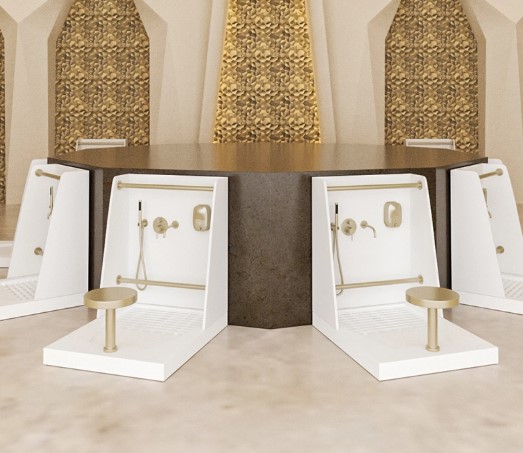
The cost of an ablution basin depends on several factors beyond its size and appearance. Material quality, manufacturing methods, basin dimensions, design complexity, and installation requirements all influence the final price. Two basins with similar shapes may have noticeably different costs due to differences in construction and finishing.
Understanding these factors helps buyers compare products and avoid paying for features they do not need. A Wudu basin designed for a small residential bathroom may have different requirements from one intended for a mosque or commercial facility. Knowing what contributes to the price makes it easier to select an option that meets practical needs and fits the available budget.
1. Material Choice Has A Major Impact On Price
The material is one of the first things to consider when comparing basin prices. Different materials involve different manufacturing processes, surface finishes, maintenance requirements, and durability characteristics.
Solid Surface
Solid surface basins often fall into the mid-to-premium price range, depending on the material composition, thickness, design, and manufacturing quality.
Their smooth, non-porous surfaces make routine cleaning easier. They also offer flexibility in shapes, sizes, and custom designs.
Some solid surface products allow minor scratches to be repaired through refinishing. This may help extend the useful life of the basin and reduce the need for replacement.
Ceramic
Ceramic basins are widely available in different sizes and styles. Their prices vary according to the manufacturing quality, finish, dimensions, and design.
The glazed surface is easy to clean and handles regular water exposure. However, ceramic may chip or crack after a strong impact, which can lead to replacement costs.
Standard ceramic models may cost less than customized solid surface designs, making them an option for buyers with limited budgets.
Natural Stone
Marble and granite basins usually belong to the premium category. Their material cost, weight, cutting requirements, and finishing work can increase the overall price.
Natural stone also requires suitable care. Some varieties need sealing to protect against stains and moisture penetration.
The final cost depends on the type of stone, its quality, thickness, and the amount of fabrication involved.
2. Basin Size And Dimensions Affect The Cost
The overall dimensions influence how much material and manufacturing work a basin requires. Larger models generally need more raw material and may involve additional support during installation.
However, size does not always determine price on its own. A compact basin with a complicated shape may cost more than a larger model with a simple design.
Consider these measurements when comparing products:
- Width: Wider basins require more material and provide additional washing space.
- Depth: Deeper designs may need more material and specialized shaping.
- Height: The overall structure may affect manufacturing and installation requirements.
- Thickness: Thicker construction may increase material use and product weight.
For commercial projects, the number of washing positions also affects the total budget. Buying several basins requires additional materials, plumbing connections, and installation work.
3. Custom Designs Usually Cost More Than Standard Models
Standard basins follow established dimensions and manufacturing designs. Their production is often more straightforward, which helps keep costs predictable.
Custom models require additional planning and fabrication. Buyers may request specific measurements, unusual shapes, integrated seating, or special installation arrangements.
These changes may involve:
- Custom molds or fabrication equipment.
- Additional design and engineering work.
- Specialized cutting and finishing.
- More production time.
- Extra quality checks.
For example, a mosque may require a long ablution station with several washing positions. A manufacturer may need to create a design that matches the available wall length and plumbing arrangement.
The additional cost may be worthwhile when standard products cannot meet the project’s functional requirements.
4. Manufacturing Quality And Finishing Influence Pricing
Not all basins made from the same material offer the same quality. Manufacturing standards affect the surface finish, structural consistency, joint quality, and overall appearance.
A well-finished basin should have smooth edges, an even surface, and properly formed drainage areas. Poor finishing may lead to cleaning difficulties or an unattractive appearance.
Some manufacturers also carry out additional inspections to check dimensions, surface defects, and structural quality before shipping.
These production standards may increase the initial price, yet they help buyers avoid products with visible defects or inconsistent construction.
5. Basin Shape And Design Complexity Matter
The shape of a basin affects both its appearance and manufacturing requirements. Simple rectangular or oval models are generally easier to produce than designs with complex curves, angled sections, or integrated features.
More complicated shapes may require specialized molds, additional fabrication stages, and careful finishing.
For ablution facilities, the design also needs to provide enough room for foot washing. A shape that offers better internal space or a more practical washing position may require additional manufacturing work.
When comparing prices, consider how the shape supports actual use rather than choosing a model based only on its appearance.
6. Faucet And Drainage Components Add To The Total Cost
The basin itself is only one part of the complete installation. Faucets, drain fittings, waste pipes, and other plumbing components may add considerably to the project budget.
Faucet Quality
Basic faucets may have a lower purchase price, whereas premium models often use more durable components and specialized finishes.
Sensor-operated faucets may also cost more due to their electronic components and installation requirements.
Consider how frequently the faucet will be used. A mosque or public facility may benefit from reliable fittings that withstand repeated operation.
Drainage Components
Drain outlets, covers, traps, and connecting pipes also contribute to the total cost.
The selected drainage system needs to match the basin design and existing plumbing. Custom arrangements may require additional fittings or adjustments.
Check which components come with the basin before comparing supplier quotations. Some prices include basic accessories, whereas others cover the basin only.
7. Installation Requirements Can Increase The Budget
Installation costs vary according to the basin type, bathroom structure, plumbing layout, and amount of preparation required.
A simple replacement may involve limited work. A new ablution station may require changes to water supply lines, drainage outlets, wall supports, and floor surfaces.
Wall-Mounted Installation
Wall-mounted basins may require additional structural support, particularly when they have larger dimensions or a heavy construction.
The wall must safely support the basin and its expected load. Reinforcement work may increase installation expenses.
Floor-Mounted Installation
Floor-mounted models transfer their weight to the floor through a base or supporting structure. Their installation may require additional floor preparation and plumbing adjustments.
The final cost depends on the selected model and the condition of the installation area.
Before purchasing, ask a contractor to review the site. This helps identify additional work that may not appear in the product quotation.
8. Order Quantity Affects The Price Of Commercial Projects
Residential buyers generally purchase one basin at a time, whereas commercial projects may require several units.
Mosques, hotels, schools, and Islamic centers often need multiple washing stations. The total project cost depends on the number of basins, their dimensions, and whether the same design can be repeated.
Bulk orders may offer better unit pricing depending on the manufacturer’s production capacity and order terms.
However, large projects may also require custom dimensions, coordinated delivery, and additional installation planning. These requirements can affect the final quotation.
When requesting prices for a commercial project, provide the expected quantity and installation layout. This allows suppliers to prepare a more accurate estimate.
9. Shipping And Delivery Costs Should Not Be Overlooked
The basin’s weight, dimensions, packaging requirements, and delivery distance can influence transportation expenses.
Large solid surface or natural stone models may require protective packaging to reduce the risk of damage during transit. International orders may also involve customs charges, import duties, and handling fees.
Before confirming an order, check:
- Whether delivery is included in the quoted price.
- How the basin will be packaged.
- Whether insurance covers transportation damage.
- Which party handles customs charges.
- The estimated delivery time.
- Whether unloading assistance is required.
These details are particularly important for commercial projects involving several large or customized basins.
10. Warranty And After-Sales Support Affect Long-Term Value
A basin’s purchase price does not tell the complete story. Buyers also need to consider the support available after installation.
A supplier offering clear warranty terms and access to replacement components may provide better long-term value.
Before placing an order, review the following:
- Warranty coverage and duration.
- Conditions that may void the warranty.
- Availability of replacement parts.
- Repair and maintenance support.
- Manufacturer guidance for cleaning and care.
Also ask how the supplier handles manufacturing defects or transportation damage. Clear support arrangements help reduce uncertainty after purchase.
How To Estimate Your Wudu Basin Budget
Preparing a budget becomes easier when the complete project is divided into separate cost categories. This prevents buyers from overlooking expenses that may appear after purchasing the basin.
Use the following breakdown as a starting point:
| Cost Category | What It Includes |
| Basin price | Material, dimensions, shape, and manufacturing |
| Customization | Special measurements, molds, and finishes |
| Accessories | Faucets, drains, and fittings |
| Installation | Labor, wall support, and plumbing adjustments |
| Transportation | Packaging, shipping, and handling |
| Additional work | Flooring, drainage, and water supply changes |
| Maintenance | Cleaning supplies, repairs, and replacement parts |
Request quotations that separate these expenses instead of relying on one combined figure.
This makes it easier to compare different suppliers and identify where the largest part of the budget will go.
How To Get Better Value Without Choosing The Cheapest Basin
Reducing the purchase price is not always the best way to control project expenses. A basin that requires frequent repairs or difficult maintenance may cost more over time.
A better approach is to match the product specifications with the actual needs of the facility.
For example, a small residential bathroom may not need a heavily customized commercial basin. A mosque with hundreds of daily visitors, however, may benefit from stronger construction and a layout designed for frequent use.
Consider these practical steps:
- Compare materials based on durability and cleaning requirements.
- Choose dimensions that provide enough washing space without wasting floor area.
- Avoid customization that does not improve functionality.
- Check the quality of faucets and drainage components.
- Include installation and delivery costs in the initial budget.
- Review warranty conditions before making the final decision.
Kingkonree is one supplier buyers can explore when comparing solid surface basin options and custom bathroom designs.
Frequently Asked Questions
What Is The Average Cost Of A Wudu Basin?
The price varies according to material, dimensions, design, manufacturing quality, and supplier. Standard ceramic models may have different price ranges from customized solid surface or natural stone basins. Requesting quotations based on exact specifications provides a more useful comparison.
Are Solid Surface Wudu Basins More Expensive?
Solid surface models may cost more than some standard ceramic options, particularly when they involve custom dimensions or complex designs. Their smooth finish, design flexibility, and maintenance characteristics may make them a suitable investment for certain projects.
Does Basin Size Affect Installation Cost?
Yes. Larger basins may require additional support, plumbing adjustments, and more installation labor. The actual cost depends on the basin’s weight, mounting method, and existing bathroom structure.
Is A Custom Wudu Basin Worth The Extra Cost?
A custom basin may be worthwhile when standard models do not fit the available space or meet the facility’s washing requirements. It allows buyers to specify dimensions, shapes, and installation details according to the project.
What Should Be Included In A Wudu Basin Quotation?
A detailed quotation should identify the basin material, dimensions, finish, accessories, customization charges, delivery expenses, and warranty terms. Installation costs should also be clarified so buyers understand the complete project budget.
Final Thoughts
The cost of a wudu basin depends on several connected factors, including material, size, design, manufacturing quality, accessories, and installation requirements. Shipping, order quantity, and after-sales support also influence the final investment.
Before making a purchase, identify the needs of the installation area and compare complete quotations from different suppliers. Looking beyond the initial price helps buyers select a basin that provides suitable performance, manageable maintenance, and better value over time.