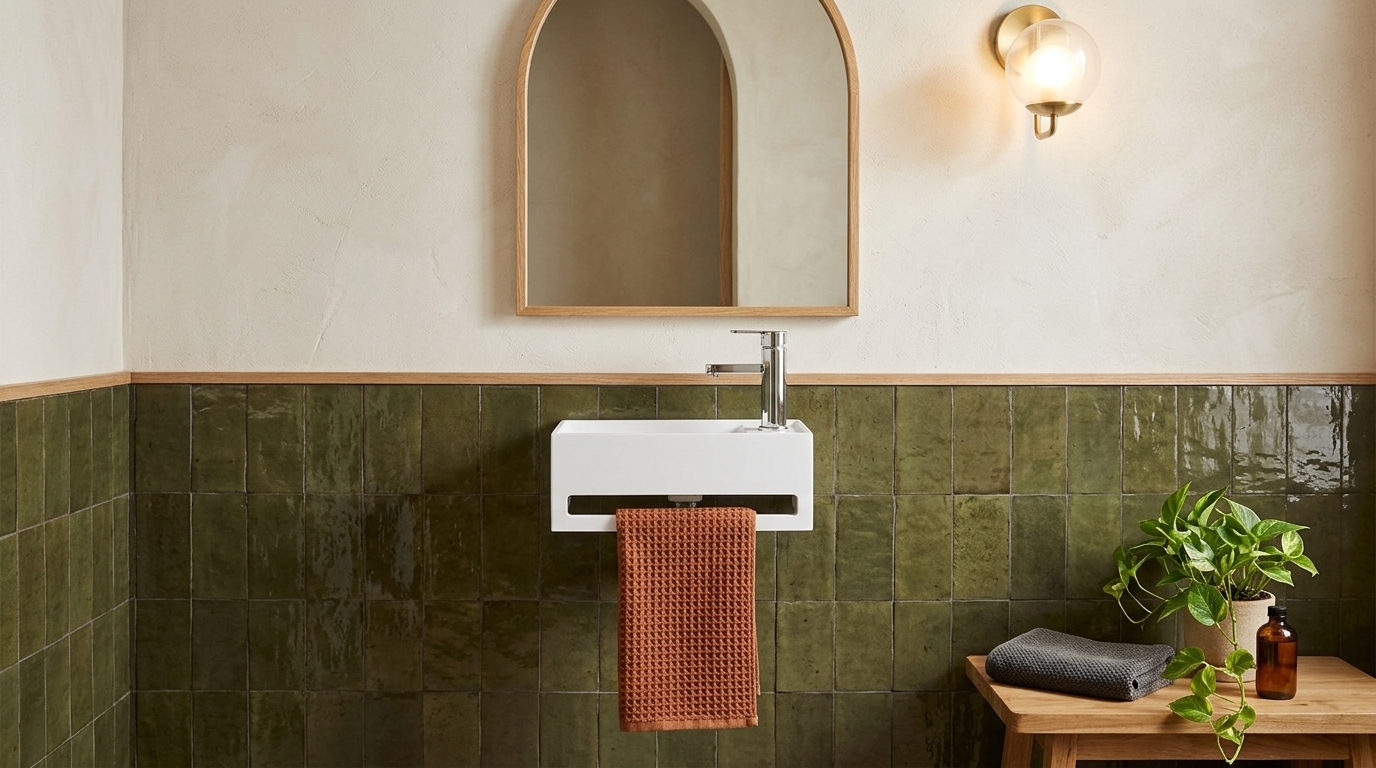
A compact toilet room needs regular cleaning because limited space can make dirt, moisture, and unpleasant odours harder to manage. The basin receives frequent contact from hands, soap, and splashing water, so even a small amount of residue can affect its appearance. A simple cleaning routine helps keep the fixture hygienic without requiring much time or effort.
A Small basin for toilet needs the same attention as a full-size bathroom sink, even when it has a smaller surface area. Its bowl, tap, drain, and surrounding wall can collect soap deposits, water spots, and germs through daily use. Choosing suitable cleaning products and reaching every part of the fixture helps maintain a clean handwashing area in a tight space.
Why Small Toilet Basins Need Regular Cleaning
A small basin may appear easier to maintain because it has less surface area. However, its compact design can create narrow gaps around the tap, drain, and wall connection where dirt tends to collect.
Frequent handwashing also leaves behind soap residue, toothpaste, and natural oils from the skin. When these substances remain on the surface, they can form a dull layer that becomes harder to remove over time.
Moisture creates another concern. Water that remains around the tap base or basin edges can encourage mould growth, particularly in rooms with poor ventilation. Regular cleaning and proper drying help prevent these problems.
Build A Simple Daily Cleaning Routine
Daily maintenance does not require strong chemicals or a lengthy process. A quick wipe after regular use can prevent stains and soap deposits from building up.
Start by rinsing the bowl with clean water to remove loose residue. Wipe the basin with a soft cloth and a mild bathroom cleaner suitable for its material. Pay attention to the area around the tap and the edges where water often collects.
Finish by drying the surface with a clean microfiber cloth. This reduces water spots and keeps the basin looking tidy between deeper cleaning sessions.
Clean Different Basin Areas Carefully
Each part of a basin collects a different type of residue. Cleaning the entire fixture with one quick wipe may leave dirt behind in less visible areas.
The Basin Bowl
The bowl receives most of the water and soap residue. Apply a mild, non-abrasive cleaner and wipe the surface with a soft sponge or cloth.
Rinse thoroughly so no cleaning product remains inside. Avoid rough scouring pads that may scratch the finish and make future cleaning more difficult.
The Tap And Handles
Water spots often appear around the tap base and handles. Use a damp microfiber cloth to clean these areas, then dry them to prevent mineral deposits from forming.
For hard water stains, use a cleaning product approved for the tap’s finish. Avoid acidic cleaners on materials that may react to them, and follow the manufacturer’s care instructions.
The Drain And Waste Fitting
Hair, soap residue, and other debris can collect around the drain opening. Remove visible material carefully and clean the surrounding area with a suitable bathroom cleaner.
Check the drain regularly for slow water flow. A removable waste fitting or accessible trap makes it easier to remove buildup before it causes a blockage.
The Wall And Basin Edges
Water can collect where the basin meets the wall. Wipe this area regularly and check the sealant for cracks, peeling, or dark spots.
A damaged seal can allow moisture to enter the wall behind the fixture. Replace deteriorated sealant with a suitable bathroom-grade product after preparing the surface properly.
Choose Cleaning Products That Suit The Basin Material
The right cleaning product depends on the basin’s material and surface finish. A cleaner that works well on one fixture may damage another, so check the manufacturer’s recommendations before using a new product.
Ceramic basins generally respond well to mild bathroom cleaners and soft cloths. Avoid abrasive powders and rough pads that can dull the glaze.
Solid surface basins may need different care depending on their finish. Use the recommended cleaner and avoid harsh chemicals unless the manufacturer confirms they are suitable.
For everyday cleaning, keep these supplies available:
- Mild bathroom cleaner
- Soft microfiber cloths
- Non-abrasive sponge
- Small cleaning brush for tight corners
- Dry towel for removing water spots
Never mix cleaning chemicals, especially bleach with acidic products or ammonia-based cleaners. Mixing them can release dangerous gases.
Keep Tight Spaces Dry And Well Ventilated
Cleaning alone cannot prevent every hygiene problem. Moisture control also matters, particularly in small toilet rooms where air circulation may be limited.
After using the basin, wipe away standing water around the tap and countertop. Check the floor underneath for splashes and dry any wet areas to reduce the risk of slippery surfaces.
Ventilation helps moisture escape. Use an extractor fan where available or open a window after cleaning. Keep the bathroom door open when privacy allows so fresh air can circulate.
If the room has no window, make sure the ventilation system works properly. Persistent condensation or a musty smell may indicate that the space needs better airflow.
Prevent Germs From Spreading Around The Basin
A clean basin does not guarantee that every nearby surface remains hygienic. Tap handles, soap dispensers, door handles, and flush controls also receive frequent contact.
Clean these touchpoints regularly, especially in shared households. Use a disinfectant suitable for the surface and follow its label instructions for contact time. Wiping a product away too quickly may reduce its effectiveness.
A wall-mounted soap dispenser can also help keep the basin area organised. Refill it regularly and clean the exterior to prevent soap residue from collecting around the pump.
Keep hand towels dry and replace them frequently. Damp towels can develop unpleasant odours and become a source of unwanted microbial growth.
Manage Cleaning In A Basin With Limited Access
Compact fixtures sometimes leave narrow gaps between the bowl, wall, tap, and nearby toilet. These areas need attention because dust and moisture can collect where a regular cloth cannot reach easily.
A small soft-bristled brush can help clean around the tap base and waste fitting. Use a narrow cloth or cleaning tool for gaps behind the basin, taking care not to damage the sealant or plumbing connections.
Wall-mounted basins make floor cleaning easier because they leave the area underneath open. However, check the exposed waste pipe and brackets occasionally for dust, moisture, or signs of leakage.
Avoid storing unnecessary bottles and cleaning products around the basin. Too many items make it harder to wipe surfaces and create more places for dirt to collect.
Follow A Weekly And Monthly Maintenance Schedule
A consistent schedule prevents small cleaning tasks from turning into difficult maintenance work. Daily wiping handles surface residue, while weekly and monthly checks address areas that need more attention.
Daily tasks:
- Rinse and wipe the basin bowl.
- Dry the tap and surrounding surface.
- Remove visible soap residue.
- Wipe away water splashes from nearby areas.
Weekly tasks:
- Clean the tap base and drain opening.
- Wash soap dispensers and nearby accessories.
- Check the basin edges and wall sealant.
- Clean the floor underneath the fixture.
Monthly tasks:
- Inspect the waste trap for leaks or buildup.
- Check the water flow and drainage.
- Look for cracks, loose fittings, or damaged sealant.
- Clean ventilation grilles where accessible.
Adjust this routine according to how often the toilet room is used. A shared guest toilet may need more frequent attention than one used by a single person.
Common Cleaning Mistakes That Can Damage A Small Basin
Good hygiene also depends on avoiding cleaning methods that wear down the fixture. Some products and habits may remove stains quickly but cause long-term damage.
Avoid these common mistakes:
- Using abrasive scrubbers: Rough pads may leave scratches on the basin surface.
- Leaving cleaner on too long: Some products can damage finishes when used beyond the recommended contact time.
- Ignoring the drain: Debris around the waste fitting can lead to slow drainage and unpleasant smells.
- Using excessive water: Water that repeatedly reaches wall joints can damage sealant and surrounding finishes.
- Mixing cleaning chemicals: Certain combinations release harmful fumes.
- Neglecting hidden areas: Dirt and moisture can collect behind the tap, beneath the basin, and around pipe connections.
Following product instructions and using gentle cleaning tools will help preserve the basin’s finish.
Maintain A Clean And Practical Toilet Space
A hygienic toilet room depends on small habits carried out consistently. Regularly wiping the bowl, drying wet surfaces, cleaning touchpoints, and checking the drain can prevent many common problems. Good ventilation and accessible plumbing also make long-term maintenance easier.
When choosing a basin, consider its surface material, shape, and ease of access for cleaning. Compact designs from kingkonree are worth considering when planning a toilet area that needs to remain practical, tidy, and easy to maintain.